Vibrators for Indian Women – Fact Check
Ten claims checked against the evidence — including the legal position under India's new criminal code and the virginity myth that causes the most harm — then eight device types compared, the materials that actually matter, and how to clean one properly.
This page is written for adults. Everything below assumes you are over 18.
Two things are worth saying plainly at the top, because they're where most of the misinformation sits. Nothing about a vibrator has any bearing on virginity — the hymen is not a seal and no examination can establish whether someone has had sex. And material safety matters far more than price or brand; a cheap device made of medical-grade silicone is a better purchase than an expensive one made of unlabelled soft plastic.
Everything else is preference.
Ten Claims, Checked
Selling and owning a vibrator marketed as a personal massager is not prohibited, and they are openly sold by established Indian retailers. The grey area is obscenity law — the provision that previously sat at Section 292 of the Indian Penal Code now sits at Section 294 of the Bharatiya Nyaya Sanhita, which replaced the IPC in July 2024. It covers the sale of obscene objects, and customs authorities have on occasion used it to detain imported items judged to be explicitly shaped.
In practice, discreetly designed body-safe massagers from established Indian sellers are routinely and lawfully sold. Courts have at times taken a narrow view of what counts as obscene. Buying from a domestic retailer rather than importing avoids the customs question entirely.
This deserves a clear answer because the belief causes real harm. The hymen is not a seal and it does not 'break'. It is a thin fringe of tissue at the vaginal opening that is naturally open — menstrual blood passes through it — and it varies enormously between individuals. Some people are born with very little hymenal tissue at all.
It can stretch or change with cycling, sport, tampon use, examination or sex, and in many women it changes in no visible way at all after intercourse. No examination can establish whether someone has had sex. The World Health Organization has called for virginity testing to be eliminated, describing it as having no scientific validity, and Indian courts have criticised the practice.
So the honest answer is that no device determines anything about virginity — because virginity is a social idea rather than a physical state with a marker.
They do different things, which is why the question doesn't really resolve. A device delivers a particular physical sensation efficiently. A relationship delivers touch, warmth, conversation, surprise and being known. Neither substitutes for the other, and plenty of people have both.
What's worth dropping is the judgment attached to the question in either direction. Someone who uses one is not compensating for anything, and someone who prefers not to isn't missing out on something essential.
No product guarantees one. What is well supported is that most women need direct clitoral stimulation to reach orgasm — penetration alone is unreliable for the large majority — and a vibrator is an efficient and consistent way to deliver that.
They are genuinely useful in a clinical sense: sex therapists have used vibrators for decades in treating anorgasmia, precisely because consistent stimulation succeeds where hands tire and technique varies. That's a strong claim, and it doesn't require a guarantee to be worth making.
There is no physical dependence and no evidence of permanent desensitisation. What does happen, in some people, is habituation — if the body is consistently stimulated at one narrow intensity, other kinds of touch can feel muted by comparison.
It is not damage and it reverses. Varying intensity, using lower settings, and taking breaks restores sensitivity within weeks. If something feels numb during or straight after use, that's a signal to reduce intensity rather than increase it.
Not a properly made one. Personal massagers are low-voltage and battery or USB powered — there is no mains current involved at the device.
The genuine risks with poorly made units are different: overheating, battery failure, and porous materials that harbour bacteria. Those are material and build-quality problems rather than electrical ones.
No, and this is the single most practical thing on this page. Material matters more than price, brand or features. Medical-grade silicone, ABS plastic, stainless steel and borosilicate glass are non-porous and can be properly cleaned.
Soft 'jelly' or unlabelled PVC can be porous — meaning bacteria sit in microscopic pores that washing doesn't reach — and may contain phthalate softeners. A strong chemical smell, a sticky or oily surface, or a product with no stated material are all reasons to put it back.
Both, modestly. Orgasm releases oxytocin and endorphins and lowers cortisol, which is why better sleep and reduced stress are commonly reported. Pelvic floor contraction during orgasm is a small contribution to the same muscles targeted by Kegel exercises, and increased pelvic blood flow is associated with tissue health.
There is also a benefit that is rarely counted: knowing your own body. It is difficult to tell a partner what works if you have never established it yourself, and that is a recurring theme in sex therapy.
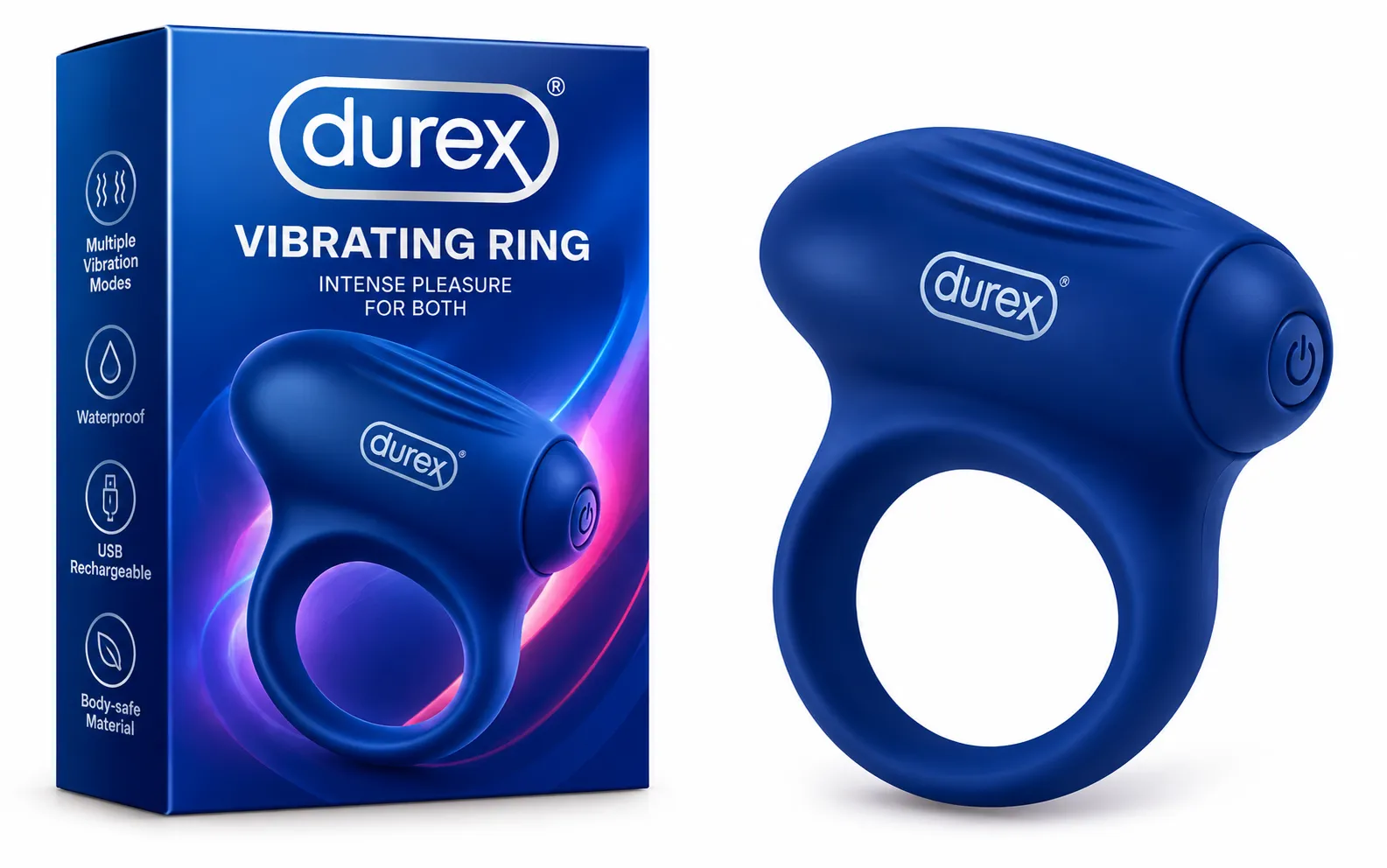
No, and research on couples who use them together points the other way. Devices are frequently used during partnered sex, specifically because most positions don't produce much clitoral contact on their own — a vibrating ring or small bullet fills a gap that technique alone struggles to.
A couple using one together is generally a sign of good communication rather than a problem being papered over.
Demonstrably. The category has grown steadily, driven less by advertising than by one specific thing: discreet online purchase. Removing the counter conversation removed the main barrier, and mainstream film and streaming portrayals since the late 2010s made the subject speakable in a way it previously wasn't.
Buyers are not only single women — couples are a substantial and growing share, and men buying for partners is now unremarkable.
Which Type Suits You
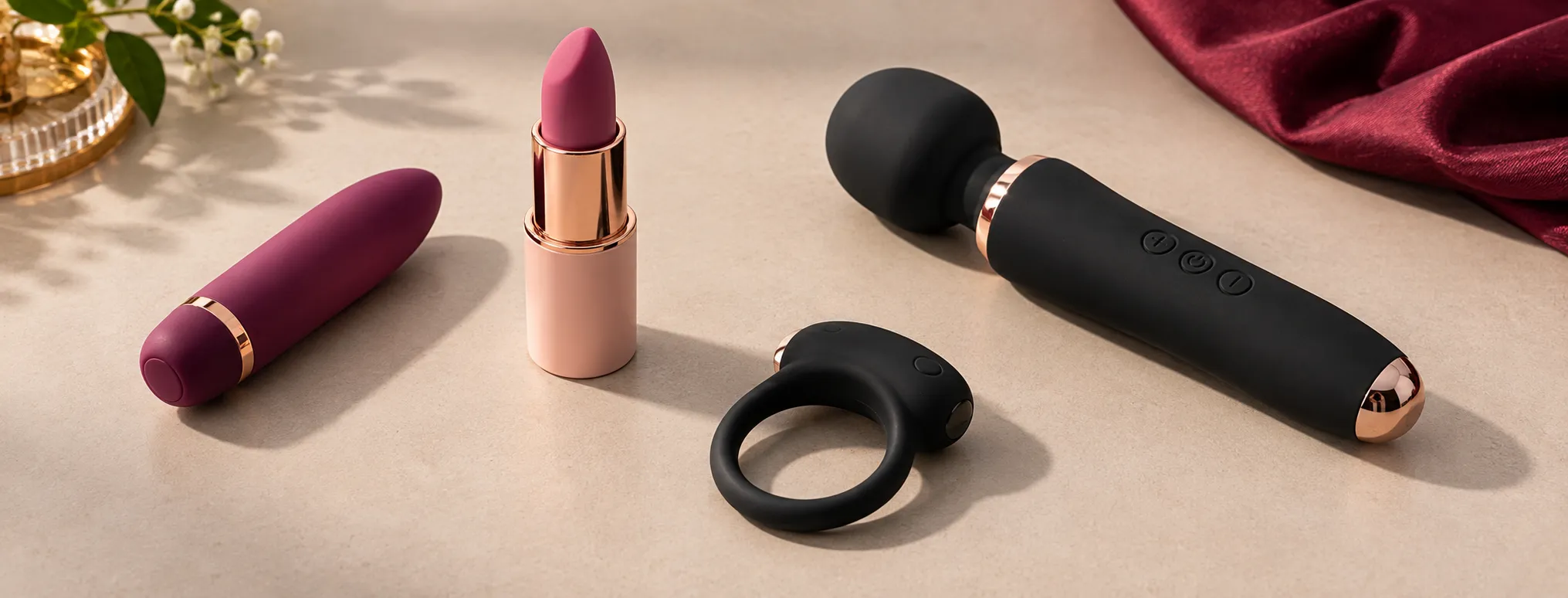
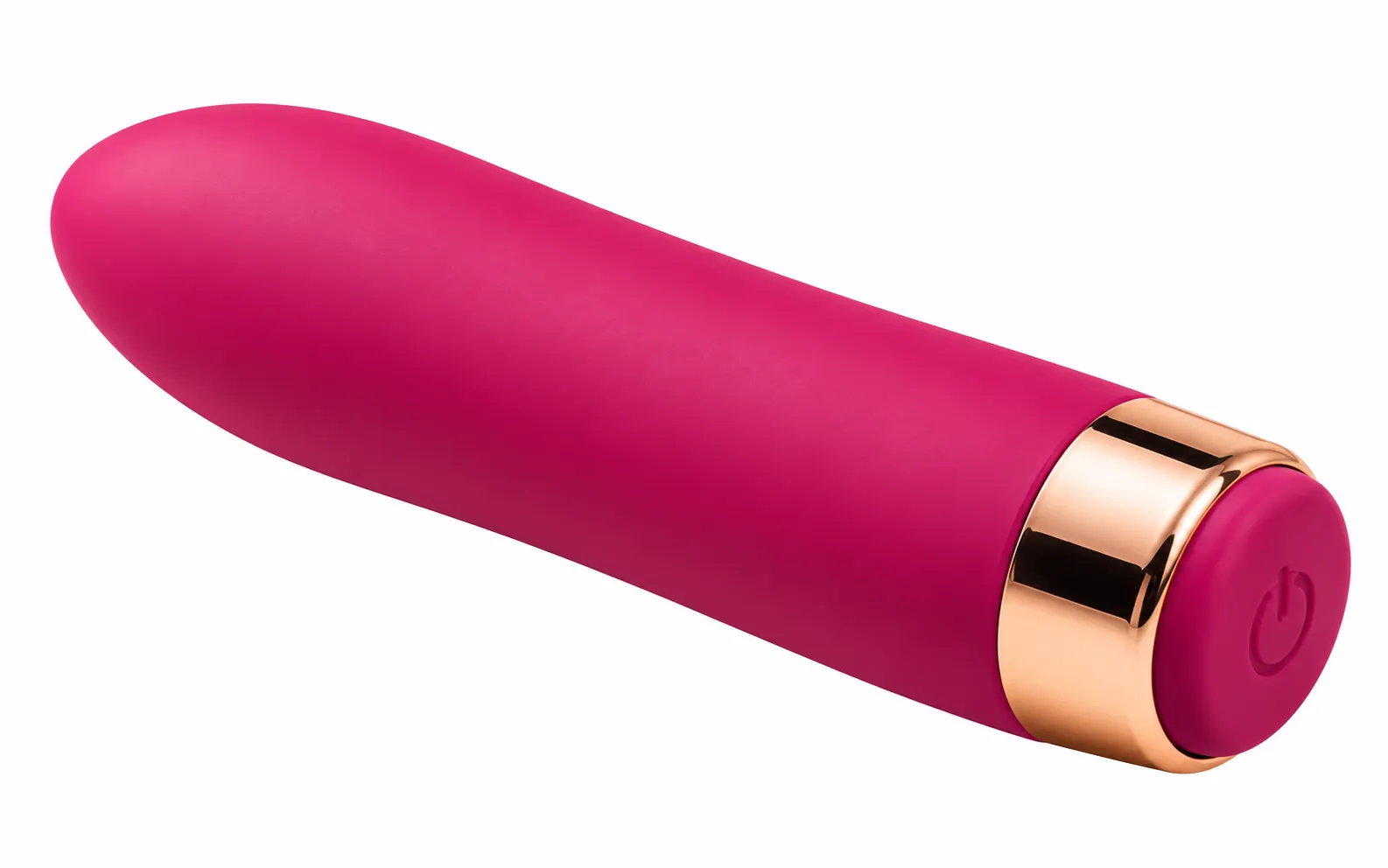
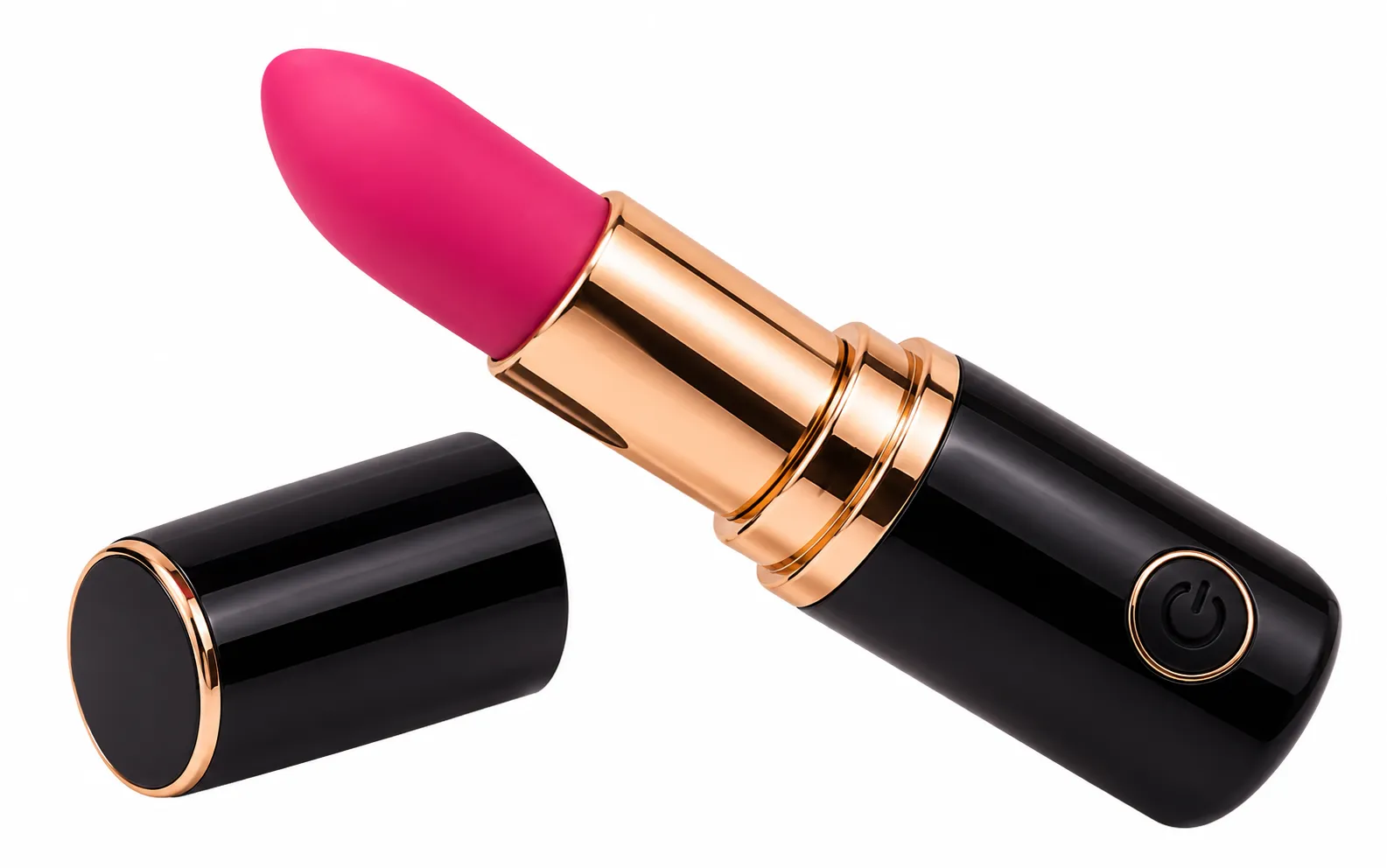
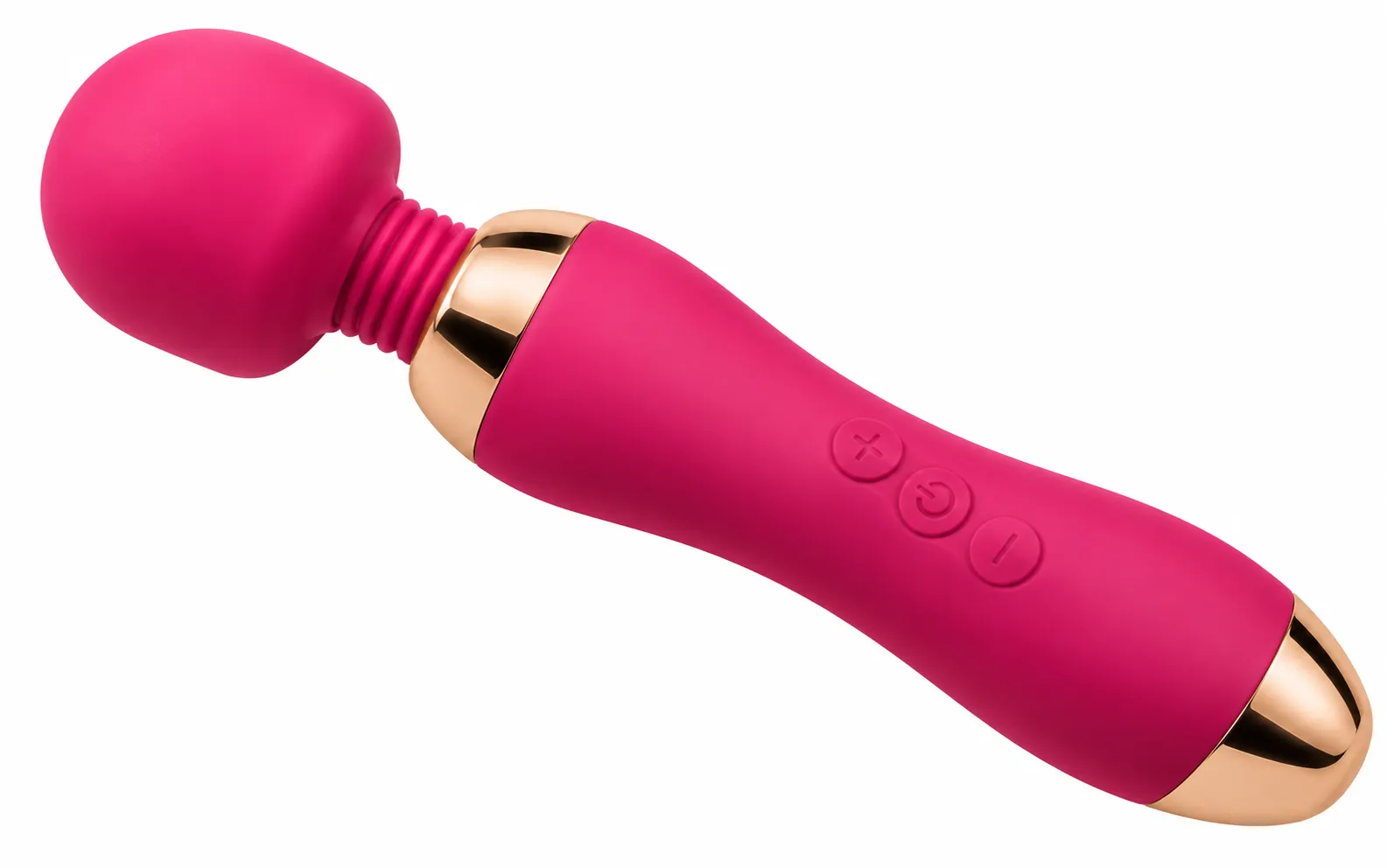
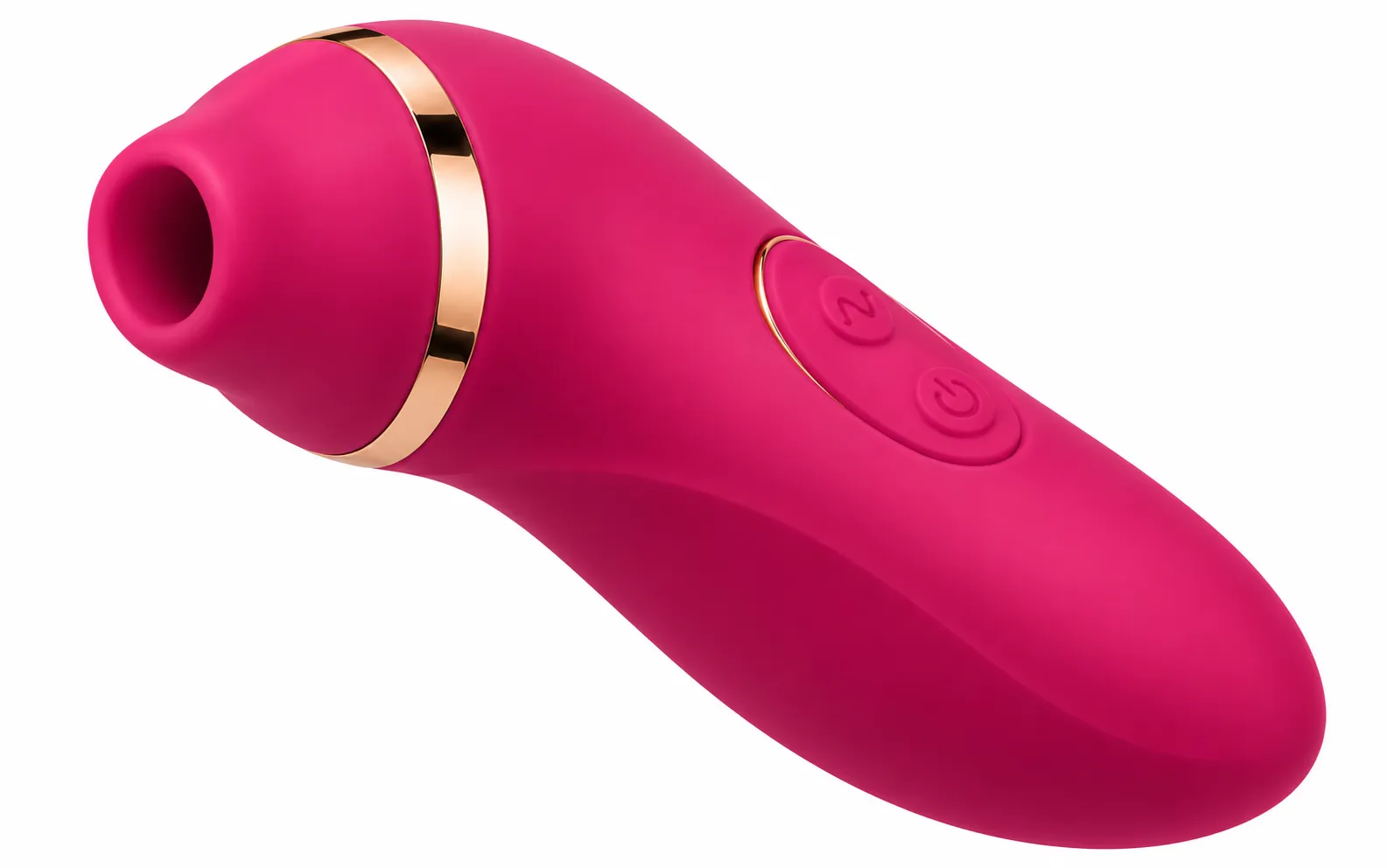
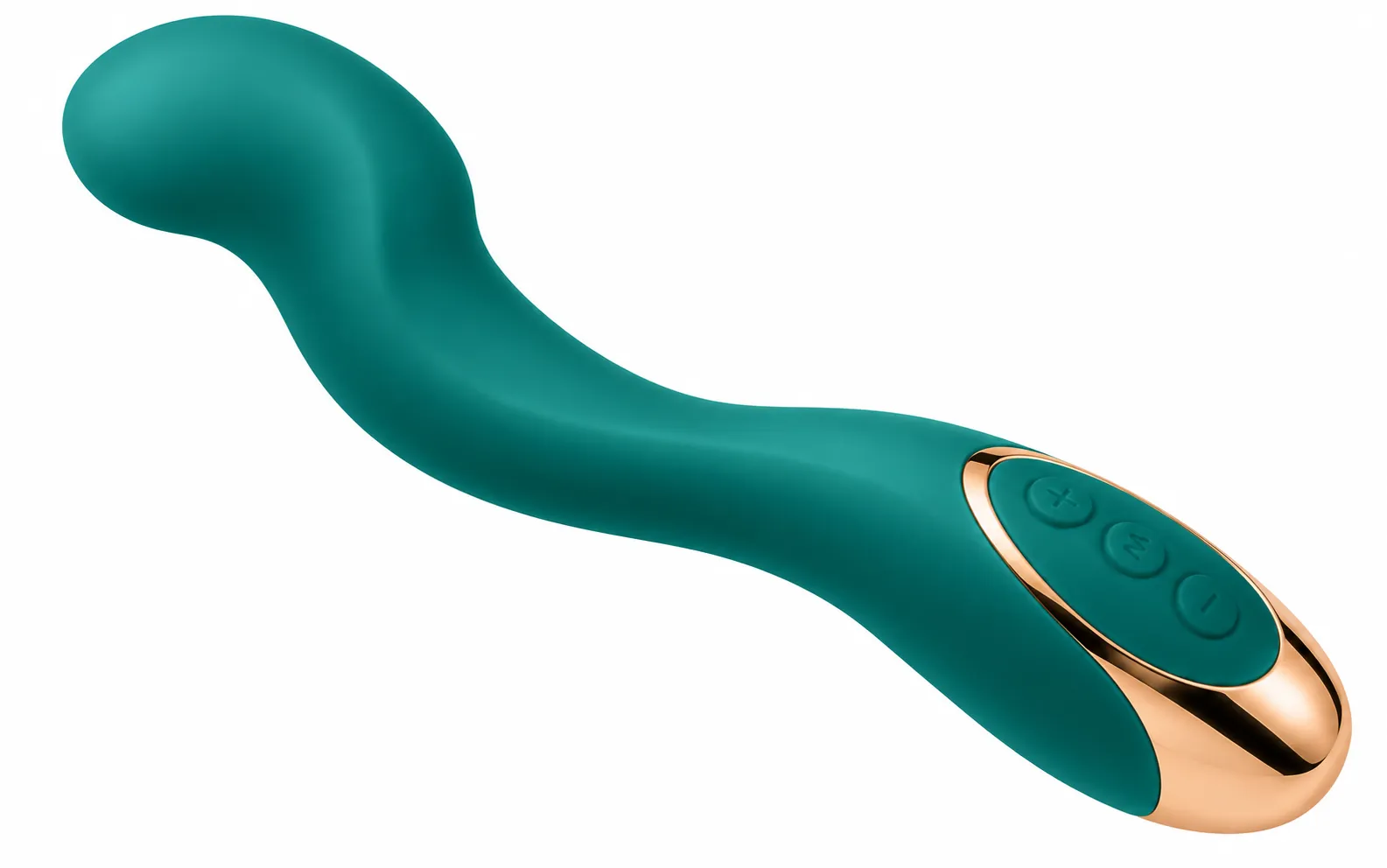
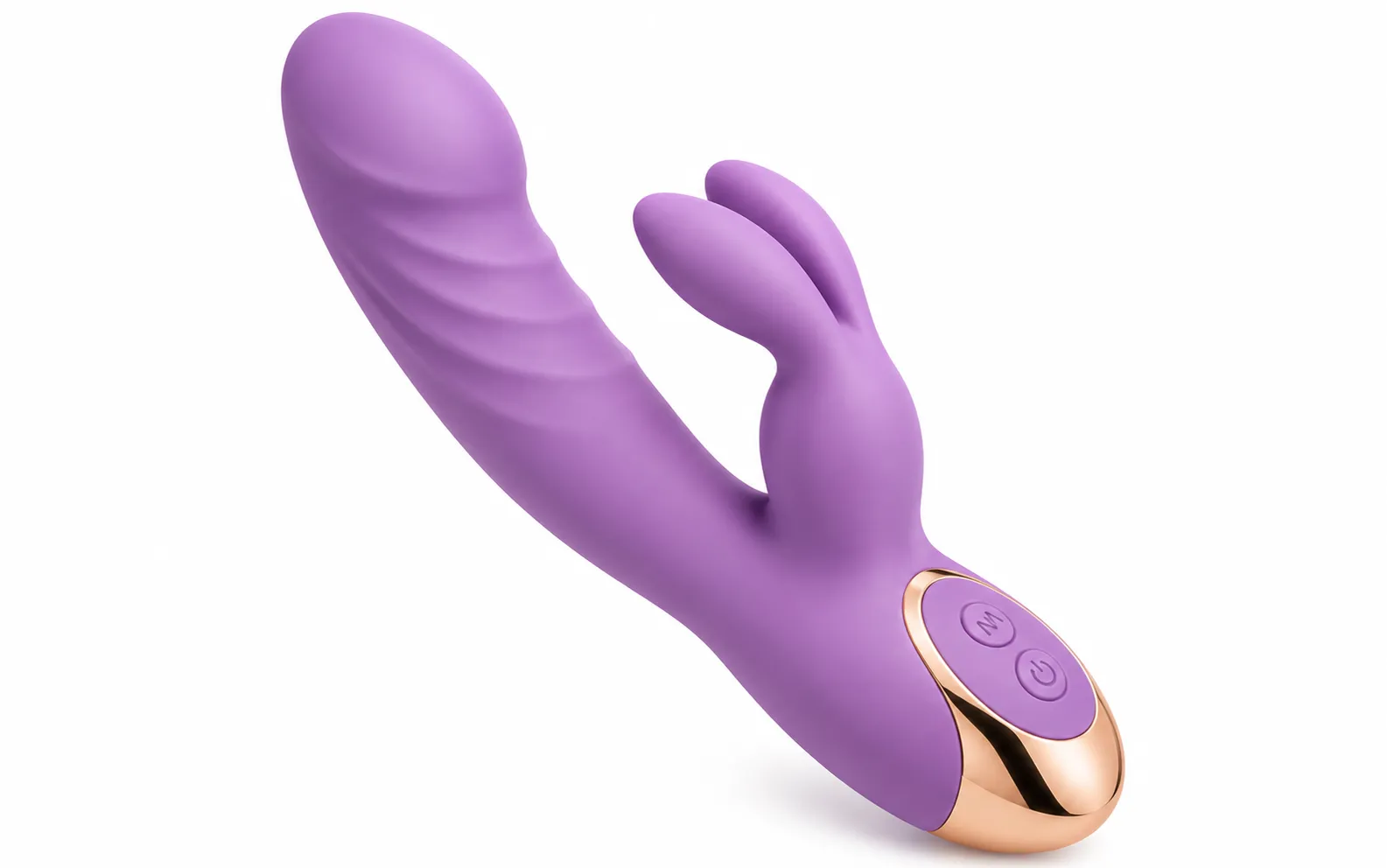
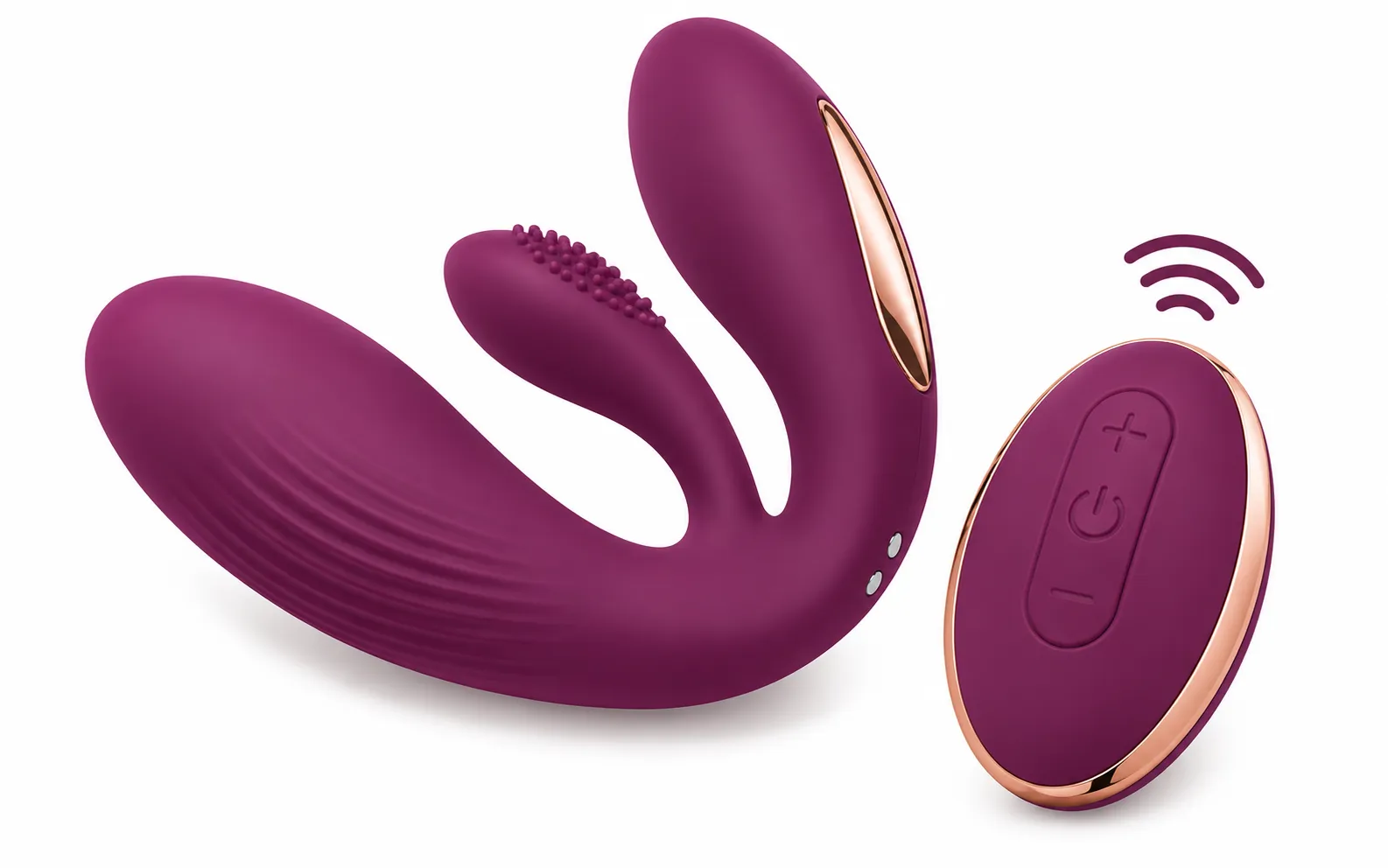
The commonest mistake is buying the most feature-packed device rather than the one that matches what your body responds to. Since most women need direct clitoral stimulation, an external device is the sensible starting point — internal and dual-action ones are better bought second, once you know.
Materials — The Part That Actually Matters
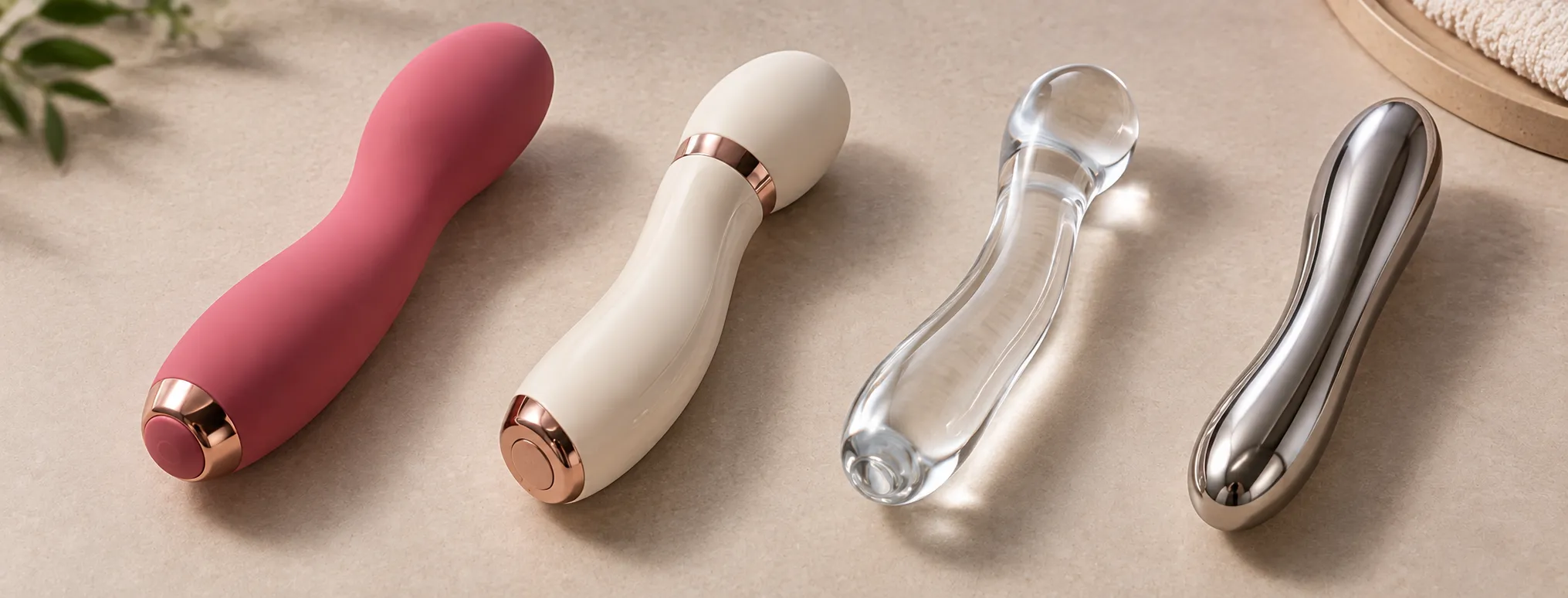
Non-porous materials can be properly cleaned. Porous ones cannot, because bacteria sit in microscopic pores that washing doesn't reach. This is the whole distinction.
| Material | Porous? | What to know |
|---|---|---|
| Medical-grade silicone | No | The standard for a reason — soft, warms to body temperature, fully cleanable. Use only water-based lubricant with it; silicone lube degrades silicone toys. |
| ABS plastic | No | Hard, inexpensive, transmits vibration efficiently. Most bullets are ABS. Entirely safe and easy to clean. |
| Stainless steel | No | Heavy, completely non-porous, holds temperature. Niche but durable and effectively indestructible. |
| Borosilicate glass | No | Smooth, strong, fully cleanable, compatible with every lubricant. Inspect for chips before each use. |
| Soft "jelly" | Often yes | Cheap and squishy, and frequently porous. May contain phthalate softeners. A strong chemical smell or an oily surface are the warning signs. |
| Unlabelled PVC / rubber | Often yes | If a product doesn't say what it's made of, that is itself the answer. Choose something that states its material. |
Cleaning and Care — Five Rules
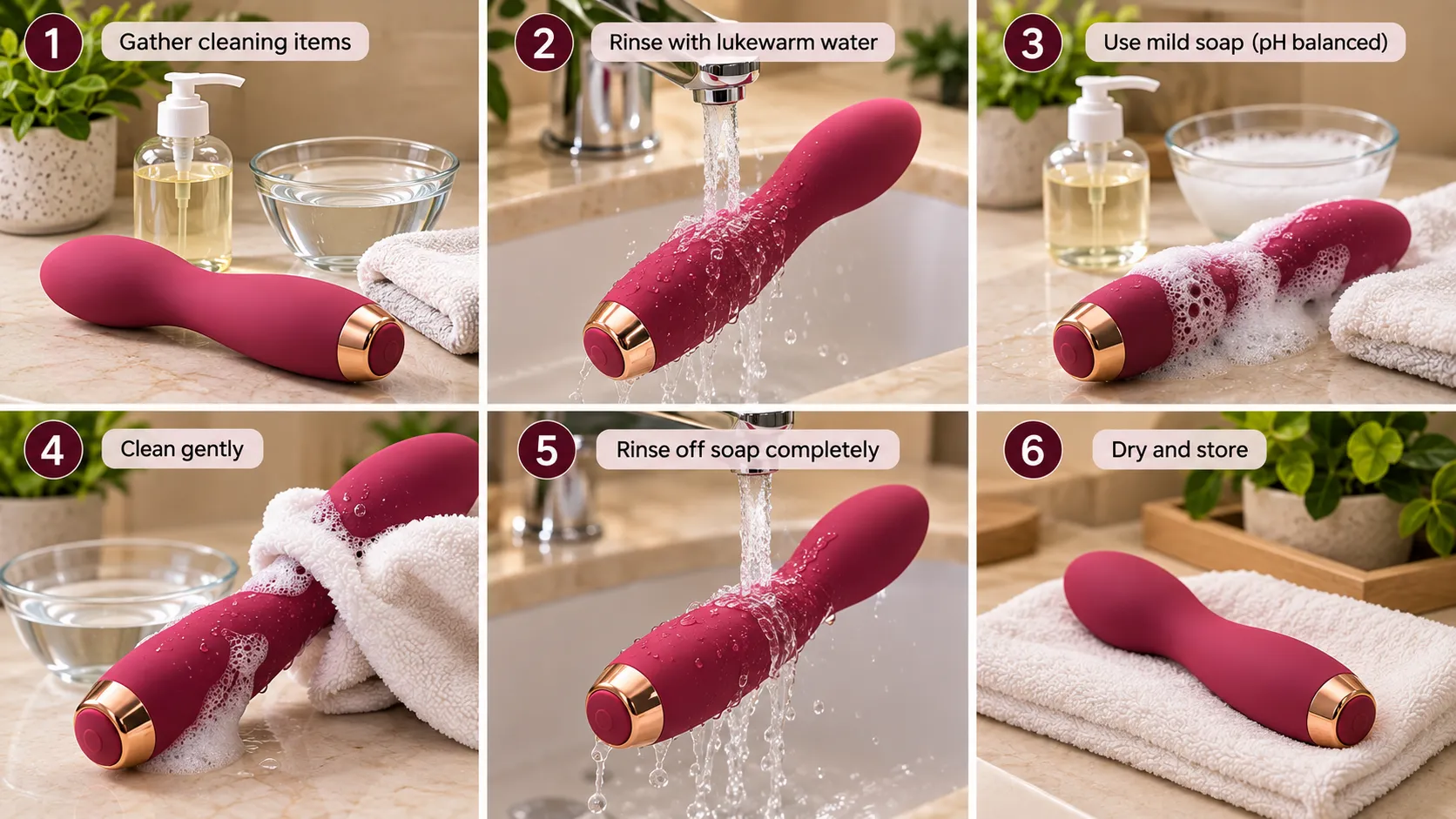
1. Wash after every use with warm water and a mild unscented soap, and dry fully before storing. 2. Only submerge fully waterproof devices — wipe the others and keep the charging port dry. 3. Store separately, not loose in a drawer, since some materials react with each other over time. 4. Cover a shared device with a condom and change it between partners — the simplest hygiene step there is. 5. Anything used anally needs a flared base, and must never move to vaginal contact without being washed or re-covered.
Two more: never charge a device while using it, and use water-based lubricant with silicone toys — silicone lubricant degrades silicone.
What to Start With
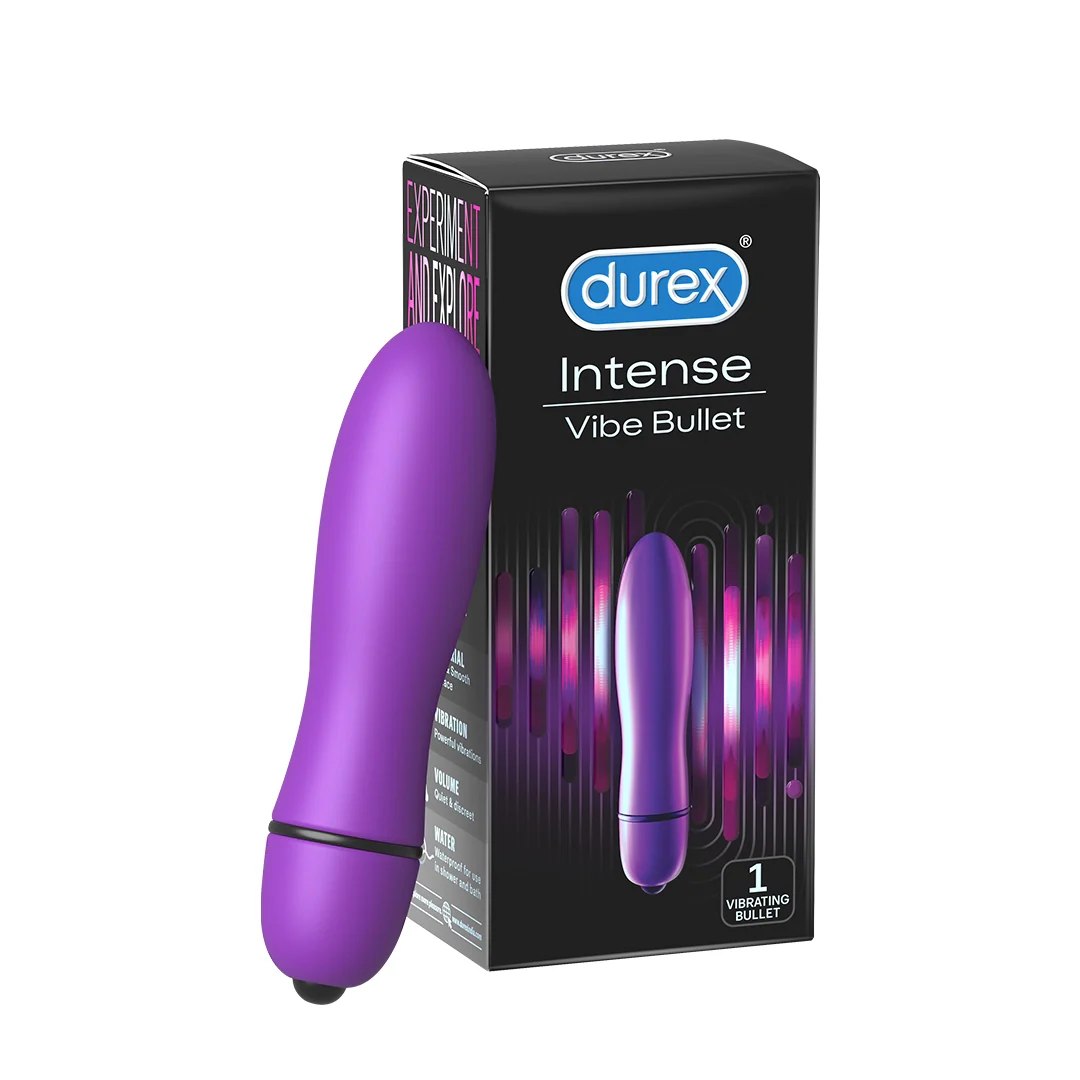
Six things, chosen for people buying a first device rather than a fifth.
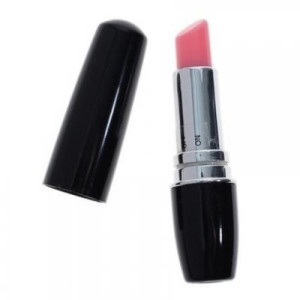
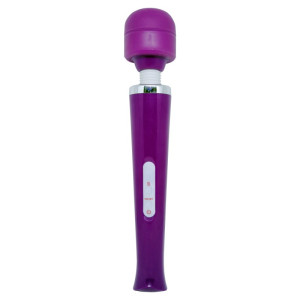
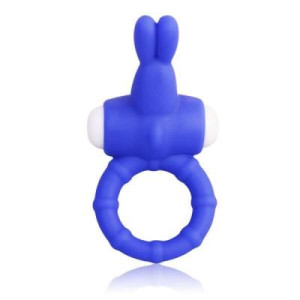
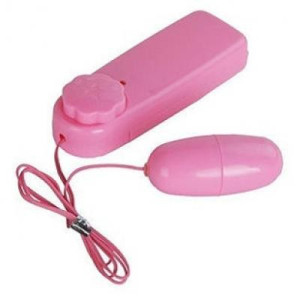
Shop by Category



The Short Version
Personal massagers are sold lawfully in India by established retailers; the grey area is obscenity law at import, which buying domestically sidesteps. Nothing about using one touches virginity, because the hymen is not a seal and virginity is not a physical state. Most women need direct clitoral stimulation, so an external device is the sensible first buy. Choose by material before anything else — silicone, ABS, steel or glass — wash after every use, use water-based lubricant with silicone, and vary the intensity rather than defaulting to maximum. That's genuinely the whole list.
Explore More Guides
Myths vs Facts about Masturbation · Opening the Peony — Oral Technique · 20 Woman-Led Positions · Size & Technique · Last Longer in Bed · Intimate Massagers · Love & Intimacy Dictionary · Sexual Health · How-To Guides · Sexopedia
Frequently Asked Questions
Are vibrators legal in India?
Selling and owning a personal massager is not prohibited, and they are openly sold by established Indian retailers. The grey area is obscenity law — the provision formerly at Section 292 IPC now sits at Section 294 of the Bharatiya Nyaya Sanhita, which replaced the IPC in July 2024, and customs have occasionally used it against explicitly shaped imports. Buying from a domestic retailer avoids the customs question entirely. This is general information, not legal advice.
Does using a vibrator affect virginity?
No. The hymen is not a seal and does not 'break' — it is a naturally open fringe of tissue that varies enormously between individuals, and in many women it changes in no visible way after intercourse. No examination can establish whether someone has had sex; the WHO has called for virginity testing to be eliminated as scientifically invalid, and Indian courts have criticised the practice.
What materials are body-safe?
Medical-grade silicone, ABS plastic, stainless steel and borosilicate glass — all non-porous and properly cleanable. Avoid soft 'jelly' and unlabelled PVC, which can be porous and may contain phthalate softeners. A strong chemical smell, a sticky surface, or no stated material at all are reasons to choose something else.
How do I clean one?
Warm water and a mild unscented soap after every use, dried fully before storage. Only fully waterproof devices should be submerged — wipe the others, keeping the charging port dry. Store separately rather than loose in a drawer, since some materials react with each other. Cover a shared device with a condom and change it between partners.
Can a vibrator cause desensitisation?
Not permanently. Some people experience habituation — if the body is consistently stimulated at one narrow intensity, other touch can feel muted. It reverses within weeks by varying intensity, using lower settings and taking breaks. Persistent numbness weeks after reducing use is not expected and is worth raising with a doctor.
Which type should a first-time buyer choose?
A bullet, or a lipstick-style one if privacy matters. Both are external, simple, inexpensive and the least intimidating. Most women need direct clitoral stimulation, which is exactly what these deliver — internal and dual-action devices are better bought once you know what works for you.
Can couples use them together?
Yes, and it's one of the fastest-growing uses. A vibrating ring worn during intercourse adds the clitoral contact most positions don't produce on their own, and it's the lowest-commitment way for a couple to try one. Using a device together generally reflects good communication rather than a problem.
Is delivery from Condombazaar discreet?
Completely. Every order ships in plain, unmarked packaging with sender name CA Gain Healthcare — no product name or brand visible anywhere on the box. Delivering privately across India since 2010.
Related Guides
Was this guide useful? Share it: