Myths vs Facts about Masturbation
Twelve claims checked against the evidence — including the semen-loss beliefs that cause more distress in India than anything else on this list, and the three things that are genuinely worth knowing.
Nine of these twelve claims have no basis at all. Three contain something worth knowing.
Almost every traditional warning about masturbation — blindness, weakness, hair loss, infertility, madness — predates modern medicine and has no mechanism behind it. Where harm does occur, it is almost always the anxiety rather than the act.
The three items marked Partly true are the ones worth your attention: technique dependence, the prostate-health evidence, and the small set of genuine physical precautions. Everything else is noise.
None of these has any physiological mechanism behind it, and none appears in any body of clinical evidence. These claims long predate modern medicine and have survived by repetition rather than by evidence.
Hair loss is overwhelmingly genetic — androgenetic alopecia — and follows family patterns that have nothing to do with sexual activity. Acne is driven by hormones, sebum and bacteria. Neither responds to what anyone does or doesn't do in private.
This belief is widespread across South Asia and has a clinical name: Dhat syndrome. It describes distress attributed to semen loss — through masturbation, nocturnal emission or urine — with reported symptoms including fatigue, weakness, poor concentration and anxiety. It is formally recognised in psychiatric classification as a culture-bound condition.
The distinction that matters: the distress is real and treatable, while the underlying mechanism isn't. Semen is produced continuously and its loss doesn't deplete the body of anything meaningful. The fatigue and poor concentration people describe are genuine — they're consequences of anxiety, sleep disruption and preoccupation, not of semen.
Sperm production is continuous, not a fixed lifetime allowance. The testes produce sperm constantly and levels replenish within days. Frequent ejaculation temporarily lowers the volume in any single sample, but it does not reduce fertility over time.
For women, eggs are released on the menstrual cycle regardless of sexual activity. Nothing about masturbation touches ovarian reserve or fertility.
There is no established link. The association people notice usually runs the other way: guilt, secrecy and shame produce the distress, and the distress gets attributed to the act.
The measurable effects are modest and in the opposite direction — orgasm releases oxytocin and endorphins, which is why many people report better sleep and lower stress afterwards.
Solo and partnered sex aren't substitutes for each other — they serve different purposes and coexist in most long-term relationships. Desire rarely aligns perfectly between two people, and it varies with stress, illness, travel, shift work and pregnancy.
It becomes worth discussing only if one partner feels it's replacing intimacy rather than sitting alongside it — and that's a conversation about connection, not about the act itself.
Not in general — but there's a specific, real and fixable version of this worth knowing about.
Technique dependence happens when the body adapts to one narrow pattern of stimulation — a particular grip pressure, speed or surface — to the point where partnered sex doesn't match it. It's sometimes called 'death grip'. It isn't damage, it's conditioning, and it reverses with variation over a few weeks.
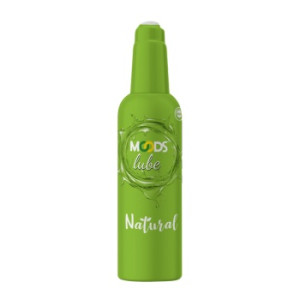
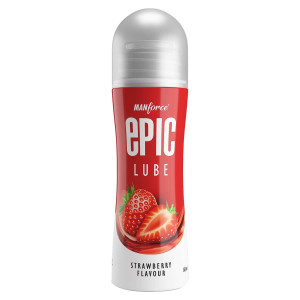
The practical fix is exactly what it sounds like: vary the pressure, slow the pace, and use a lubricant so that lighter contact registers. Most people notice a difference within a month.
These are separate behaviours that often co-occur. Plenty of people do one without the other.
What matters clinically isn't frequency but function: is it interfering with work, sleep, relationships or obligations, and does stopping feel impossible? Those are the questions a clinician asks, and they apply to any behaviour.
There's no obligation either way — this is a matter of preference rather than a rule. Some couples find openness about it easy; others prefer not to discuss it, and both are workable.
What doesn't work is one partner discovering it and interpreting it as rejection. If it's likely to come up, a short conversation in advance prevents a much longer one later.
There is some observational evidence associating higher ejaculation frequency with lower prostate cancer risk in men. It's suggestive rather than settled — observational studies can't fully separate the behaviour from everything else that correlates with it.
The important part: this is not a prescription. Nobody needs to hit a number, and not doing it carries no known health cost. Low or absent interest is a normal variation, and for some people it's a stable orientation rather than a problem.
No causal link has been established. Erectile difficulty is usually vascular, hormonal, medication-related or psychological — and in younger men, overwhelmingly the last of those.
Performance anxiety is the common culprit, and it runs as a loop: worry impairs arousal, the failure confirms the worry, and the next attempt starts worse. That loop responds well to treatment and has nothing to do with solo habits.
Nocturnal emission is a normal physiological event, most common in adolescence and early adulthood, and it requires no treatment. It doesn't indicate weakness, deficiency or excess.
It frequently gets bundled with semen-loss anxiety and sold against by products promising to 'stop' it. There is nothing to stop — it's ordinary function.
Almost entirely, yes — but three practical points are worth knowing rather than discovering.
Friction injury from insufficient lubrication is the common one, and entirely preventable. Hygiene matters: clean hands and clean toys, washed before and after. And improvised objects are where genuine emergency-department cases come from — anything used internally needs a flared base, and household items are the wrong answer.
None of this makes it risky. It makes it worth doing with body-safe equipment rather than whatever is nearby.
✅ What Is Actually Supported
- Sleep and stress. Orgasm releases oxytocin and endorphins and lowers cortisol — which is why many people report falling asleep more easily afterwards. Modest, but real and consistent.
- Menstrual cramp relief. Many women report it helps, and there's a plausible mechanism in increased pelvic blood flow and endorphin release.
- Knowing your own body. The most practical benefit and the least discussed. It's difficult to tell a partner what works if you've never established it yourself, and this is a recurring theme in sex therapy for anorgasmia.
- Pelvic floor activation. Orgasm contracts the pelvic floor muscles, which is a small contribution to the same muscle group that Kegel exercises target.
- Prostate cancer — possibly. Observational studies associate higher ejaculation frequency with lower risk in men. Suggestive rather than settled, and not a prescription.
🩺 When It's Genuinely Worth Talking to Someone
Frequency is not the measure — function is. A clinician asks whether the behaviour is interfering with the rest of your life, not how often it happens.
- It's costing you work, sleep, study or obligations you care about
- You've tried to cut down and found you couldn't
- You feel persistent guilt or distress about it
- You need increasingly extreme material to respond at all
- You can't respond to a partner who is present and willing
- You're experiencing fatigue, weakness or poor concentration that you attribute to semen loss
Each of these responds well to treatment, and a GP is a perfectly reasonable first stop — they will have heard it before. The last one in particular is substantially under-treated in Indian men, largely because the people experiencing it are sold tonics rather than referred to someone who can help.
The Three Practical Precautions
This is the whole list of things that genuinely warrant care — and none of them is a reason for concern, only for having the right things on hand.
✅ Worth having
- A water-based lubricant — friction injury is the one common physical risk
- Body-safe silicone if you use anything at all
- Clean hands and clean equipment, before and after
- A flared base on anything used internally
- Variation in pressure and pace, to avoid technique dependence
⚠️ Worth avoiding
- Improvised household objects — the source of genuine emergency cases
- Dry friction over long sessions
- Anything porous or unsealed that can't be cleaned properly
- Unregulated tonics sold to "restore" lost vitality
- Treating guilt as a medical problem rather than a psychological one
What Actually Helps
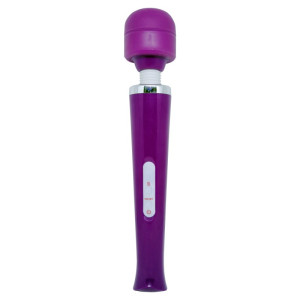

Shop by Category
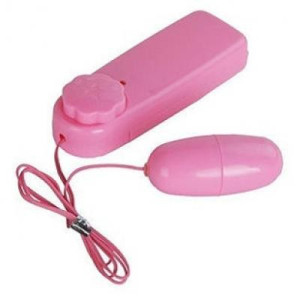
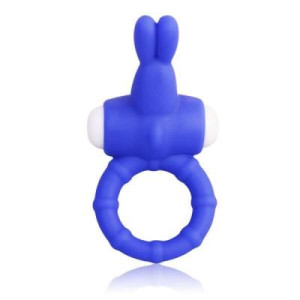
The Short Version
Nothing on the traditional list of harms holds up — not blindness, not weakness, not hair loss, not infertility, not madness. Semen is produced continuously and its loss depletes nothing, which is the single most useful sentence on this page for anyone raised with the opposite belief. The distress those beliefs cause is real and treatable, and treating it properly works far better than the tonics sold for it. Use a lubricant, keep things clean and body-safe, vary your technique, and see someone if it's interfering with your life rather than because of how often it happens.
Explore More Guides
Oral Sex & HPV · The Pull Out Method · Size & Technique · Love & Intimacy Dictionary · Personal Lubricants · Intimate Massagers · Sexual Health · Sex & Relationship · How-To Guides · Sexopedia
Frequently Asked Questions
Is masturbation harmful?
No. There is no established physical or mental harm from masturbation itself, and no mechanism by which the classic claims — blindness, hair loss, weakness, infertility, mental illness — could operate. The three practical points worth knowing are friction injury from insufficient lubrication, basic hygiene, and never using improvised objects internally.
What is Dhat syndrome?
A recognised culture-bound condition, common across South Asia, in which a person attributes fatigue, weakness, poor concentration and anxiety to the loss of semen. The distress is real and treatable; the mechanism is not real. Semen is produced continuously and its loss depletes nothing. A GP or psychiatrist can treat the anxiety directly, which works — unlike the unregulated tonics commonly sold for it.
Does it affect sperm count or fertility?
No. Sperm production is continuous rather than a fixed lifetime allowance, and levels replenish within days. One genuine exception: if you're providing a sample at a fertility clinic, a short abstinence window of two to five days is often advised to maximise that single sample.
Can it cause erectile dysfunction?
No causal link has been established. Erectile difficulty is usually vascular, hormonal, medication-related or psychological, and in younger men it's most often performance anxiety. Worth noting separately: persistent erectile difficulty in men over 40 can be an early marker of cardiovascular disease, which makes it a reason to see a doctor rather than to buy a remedy online.
What is 'death grip' and is it permanent?
It's technique dependence — the body adapting to one narrow pattern of pressure or speed until partnered sex doesn't match it. It isn't damage and it isn't permanent. Varying the pressure, slowing the pace and using a lubricant so lighter contact registers usually resolves it within a few weeks.
When should someone actually seek help?
When it's interfering with function rather than because of frequency: missed work or sleep, avoided relationships, an inability to stop when you want to, or persistent distress and guilt. Also if you need increasingly extreme material to respond, or can't respond to a real partner. All of these respond well to treatment.
Is delivery from Condombazaar discreet?
Completely. Every order ships in plain, unmarked packaging with sender name CA Gain Healthcare — no product name or brand visible anywhere on the box. Delivering privately across India since 2010.
Related Guides
Was this guide useful? Share it: