Double Crab — Sex Position 64
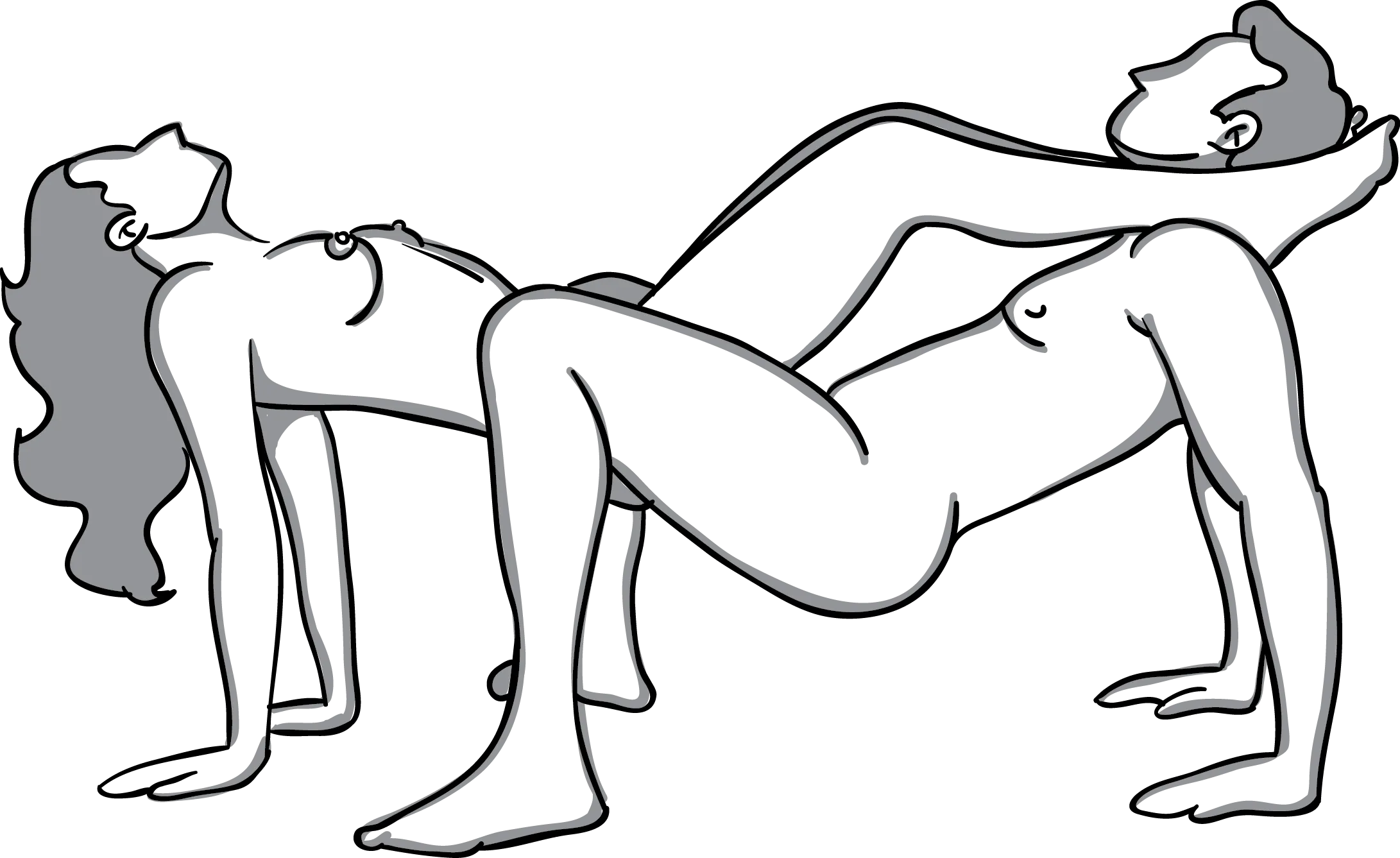
Both partners hold themselves up on their hands, facing each other, her legs over his shoulders. It's the most physically demanding entry in its chapter — and the Kamasutra presents it as an experiment, not a staple. Here's what it actually asks of you, and how to work up to it.
At a glance
| Position | 64 of 365 |
|---|---|
| Family | Acrobatic · Mutual support |
| Who leads | Neither — both work equally |
| Intensity | |
| Effort | Very high — both partners |
| Realistic duration | Under a minute for most couples |
| Needs | Wrist strength, hamstring flexibility, humour |
An Honest Assessment First
This is a reverse tabletop hold — a recognised strength position — performed by two people at once while coordinating movement. That's the actual demand, and it's worth naming plainly rather than describing it as merely "adventurous".
A useful test: if you can hold a reverse plank comfortably on your own for 30 seconds, you have roughly the fitness this needs. If you can't, that isn't a problem — it just means the build-up below is where to start. Most couples who try this manage under a minute and end up laughing, and the classical text is entirely comfortable with that outcome.
How to Get There
Prepare everything first — you can't reach for anything later
Protection on, lubricant applied, phone away, surface cleared. Once both of you are supporting your own weight, neither has a free hand for anything at all. This sounds obvious and it's the single most common reason attempts collapse before they start.
He sets the base
He sits, places his hands behind him with fingers pointing toward his own body rather than away, and lifts his hips into a reverse tabletop. The finger direction matters more than it sounds — it substantially reduces the wrist extension that causes most of the strain in this position.
She mirrors, then bridges
She takes the same hand position facing him, lifts her hips, and brings her legs up to rest over his shoulders. Her hamstring flexibility is the limiting factor here, not her strength — if her legs won't reach comfortably, resting them against his chest instead is a legitimate variation rather than a compromise.
Find the fit before you move at all
Hold still. Adjust distance by walking your hands, not by lunging forward. This is the step couples skip, and it's why the position so often ends the moment it begins — you cannot correct alignment while both of you are moving and holding your own weight.
Move small, and stop early
Tiny forward-and-back motions from the hips, matched between you. Nothing larger works from this hold. Come out of it before either of you starts shaking rather than after — descending under fatigue is how wrists get hurt. Sit down, rest, and move to something sustainable.
🪜 The Build-Up — Four Steps to Get There
Attempting the full version cold is why most couples decide this position "doesn't work". Work through these instead.
Why It's Catalogued At All
Not for the mechanics — depth is shallow and the angle is unremarkable. It's catalogued for the symmetry. Almost every other position in the classical manuals has one partner above, behind or leading; this one has both doing exactly the same thing at exactly the same time, facing each other, each relying on the other's stability. The Kamasutra includes it as experimentation rather than instruction, and treating it that way is the difference between a fun two minutes and a frustrating ten.
✅ What makes it work
- Everything prepared before you assemble
- Fingers pointing toward your body, not away
- Find the fit while still, then move
- Small hip motions only
- Cushions under hands if wrists complain
- Coming down before the shaking starts
⚠️ What goes wrong
- Attempting the full version with no build-up
- Fingers pointing away — the main cause of wrist strain
- Lunging to adjust distance instead of walking hands
- Trying to finish in it
- Pushing through fatigue on either side
- Attempting it with a shoulder or wrist injury
🛒 Prepare Before You Assemble
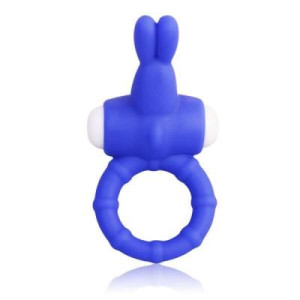
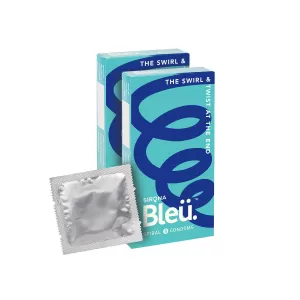
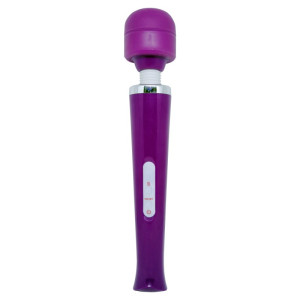
Once you're both holding your own weight, neither of you has a free hand. Everything below needs to be sorted beforehand.





Where to Go Next
If what appealed was the mutual, face-to-face, both-contributing quality rather than the challenge itself, these deliver exactly that with none of the fitness requirement — and they last far longer.
Shop by Category




Explore More Guides
Kamasutra Part 2 · Rising Position (80) · Tailor Position (79) · Ananga Ranga Part 2 · Perfumed Garden Part 4 · Positions for Lust · Love & Intimacy Dictionary · How-To Guides · Sexual Health · All 365 Positions
Frequently Asked Questions
What is the Double Crab?
Position 64 of the 365 series. Both partners support their own body weight on their hands behind them, facing each other, with her legs resting over his shoulders. It appears in the Kamasutra as an experimental posture rather than a staple — and the text presents it that way, not as something couples are expected to master.
Is it actually achievable?
For most couples, briefly. It's a reverse tabletop hold — a recognised strength position — performed by two people simultaneously while coordinating movement. If you can hold a reverse plank comfortably for 30 seconds on your own, you have roughly the fitness this needs. Most couples manage under a minute, and that's a completely normal outcome rather than a failure.
What are the physical risks?
Wrists take almost all the load, so wrist strain is the most common complaint — fingers pointing toward your body rather than away reduces it substantially. Shoulders are the second concern, particularly for anyone with a history of shoulder injury or hypermobility. Hamstring flexibility limits her side. None of this is dangerous with sensible limits, but it's a genuine workout, not a metaphorical one.
How do we build up to it?
Practise the hold separately before attempting it together — reverse tabletop, 20 to 30 seconds, a few times a week. Then try the position without movement first, purely to find the fit. Adding coordinated movement is the last step, not the first. Rushing straight to the full version is why most attempts end in laughter and a sore wrist.
What's an easier position that feels similar?
Kama's Wheel (162) in the Ananga Ranga gives you the same face-to-face, hands-engaged, mutually supported feeling with both partners seated and no weight-bearing. The Filter In (249) in the Perfumed Garden is the same idea again. If what appealed was the connection rather than the challenge, those deliver it without the fitness requirement.
Should we bother trying it at all?
If it appeals, yes — briefly, with everything prepared beforehand, and with no expectation of finishing in it. The value is in the attempt and the laughter, which the classical text acknowledges openly. Treat it as a two-minute experiment inside a longer session rather than the session itself.
Is delivery from Condombazaar discreet?
Completely. Every order ships in plain, unmarked packaging with sender name CA Gain Healthcare — no product name or brand visible anywhere on the box. Delivering privately across India since 2010.
Related Guides
Was this guide useful? Share it: