The Kiss Atlas — 14 Kamasutra Kisses, Mapped
Fourteen kissing and caressing techniques from Vatsyayana's chapter on kissing — arranged in three acts, from the first touch of hair to the kiss that ends the chapter.
Why Kissing Gets Its Own Chapter
Vatsyayana gives kissing a full chapter and makes a claim in it that most readers skip past: kissing cannot be taught. It can only be acquired through practice with someone you want to practise with. That's why the chapter describes rather than instructs — it maps the territory and leaves the walking to you.
Modern research has quietly caught up. Frequent affectionate kissing correlates with relationship satisfaction independently of sexual frequency; it raises oxytocin and lowers cortisol measurably. A chapter written seventeen centuries ago on the premise that kissing deserves serious attention turns out to have been right.
What follows is that chapter arranged as a map — three acts, fourteen kisses, each rated for intensity so you can see the shape of the escalation rather than just the list.
The Approach
Three techniques that begin before the lips ever meet — hair, ears, scalp. The Kamasutra places caressing before kissing deliberately: the mouth is not the opening move.

The chapter opens with hair rather than lips. He lies back; she leans over him so her hair falls across his face and chest. It sounds slight, and it is — which is exactly why it works as an opener. Light, unpredictable contact across the face and neck activates skin receptors far more intensely than deliberate pressure, and the anticipation of not knowing where the next touch lands does the rest.
📖 Read the Massage Foreplay guide →

He stands or sits behind her, lifts her hair, and works slowly along the back of the ear and down the neckline. The ear is among the most densely innervated areas of the body, and the neck runs a close second — which is why the classical texts across three traditions all single out this combination. Warm breath matters as much as contact here.

One of the few entries written for him. He kneels or sits; she works her fingers in slow circles across his scalp, leaning forward as she does so that contact broadens beyond her hands. Scalp massage reliably lowers stress markers within minutes, which is why it functions so well as a transition out of the day and into the evening.

The Contact
Six named kisses forming the heart of the chapter, escalating from an inclined head to a full enclosure. Each is catalogued separately because the classical tradition treated small variations as genuinely distinct.

Both partners sit facing each other and incline their heads to meet — the classical texts name it for that bend. A hand at the back of the head is the detail that distinguishes it: it steadies the position and lets the kiss deepen without either partner shifting. The Kamasutra's own note on this one is memorable — moderation, it says, will not be necessary.
📖 Explore the Kamasutra Positions guide →

A slow, deliberate kiss in which the lower lip is held gently between finger and thumb before contact, then pressed rather than opened. The Kamasutra's guidance here is unusually specific and worth heeding: don't rush the tongue. Holding at closed-lip pressure for considerably longer than feels natural is what builds the tension the technique depends on.
📖 Read the Love & Intimacy Dictionary →

Lips meeting squarely, both partners level with each other, typically kneeling or seated face to face. The classical name simply means 'even' — no tilt, no angle, both parties equally committed. It's the most reciprocal kiss in the chapter and usually the point at which a session stops being foreplay and becomes something else.
📖 See the Tao positions guide →


One partner lifts the other's chin and turns their face upward to meet the kiss. The tilt is the whole mechanism — it opens the angle and shifts the initiative visibly to whoever does the lifting. The Kamasutra reads intensity of kissing as a measure of feeling, and this is the entry where the chapter's temperature clearly rises.


A precise technique: the upper lip alone is taken and held between the lips, with light tongue contact. The Kamasutra treats kissing as a skill acquired only through practice — no one can be taught it — and this entry is the clearest evidence of that view, since it isolates a single part of the mouth for its own sake.
📖 Read Congress of the Mouth →



Its natural sequel: as one partner holds the upper lip, the other brings the lower lip to enclose both. The classical name means a casket or enclosure, which describes it precisely. Full-body contact typically follows on its own, and the Kamasutra presents that progression as the point — this is the kiss that leads somewhere.
📖 See the Perfumed Garden guide →

The Escalation
Five kisses defined by context rather than technique — sleeping, waking, surprise, transition, and the one that ends the chapter. Where and when, rather than how.

A kiss given while the other partner sleeps, meant purely as expression rather than initiation. The Kamasutra separates this class of kiss from the rest deliberately: its purpose is to communicate feeling, not to begin anything. Its inclusion in a text on erotics says something about how the tradition understood the relationship between affection and desire.
📖 Read the Ananga Ranga guide →

Waking a sleeping partner by touch rather than sound — a soft kiss to the cheek, then slowly along the ear and neckline. The classical text is unusually thoughtful here, noting that an abrupt waking ruins the mood entirely. Whether it's welcome depends entirely on the couple and the hour, which is worth establishing in daylight rather than discovering at 2am.


An embrace from behind while the other partner is occupied — at the kitchen counter, in the living room — with a kiss to the neck and shoulder. The Kamasutra frames it as her technique specifically, and the mechanism is surprise: it arrives outside the bedroom and outside any expectation, which is exactly why it registers so strongly.
📖 See the Passion Builders guide →



She lies over him and works from the chest upward with lips and light bites; he shifts the roles and reciprocates. The chapter uses this entry to describe the moment a session changes gear — the text's observation is that it's rarely a decision so much as a threshold that gets crossed, often on one specific touch.



The chapter closes with the kiss that ends the chapter: sustained attention along the chest and torso that signals a clear move past foreplay. The Kamasutra's honest note is that the timing of this threshold varies not just between couples but between nights for the same couple — which is why reading the moment matters more than any technique in the preceding thirteen entries.

⭐ The Atlas Table
| # | Kiss | Intensity | Act | Pairs With |
|---|---|---|---|---|
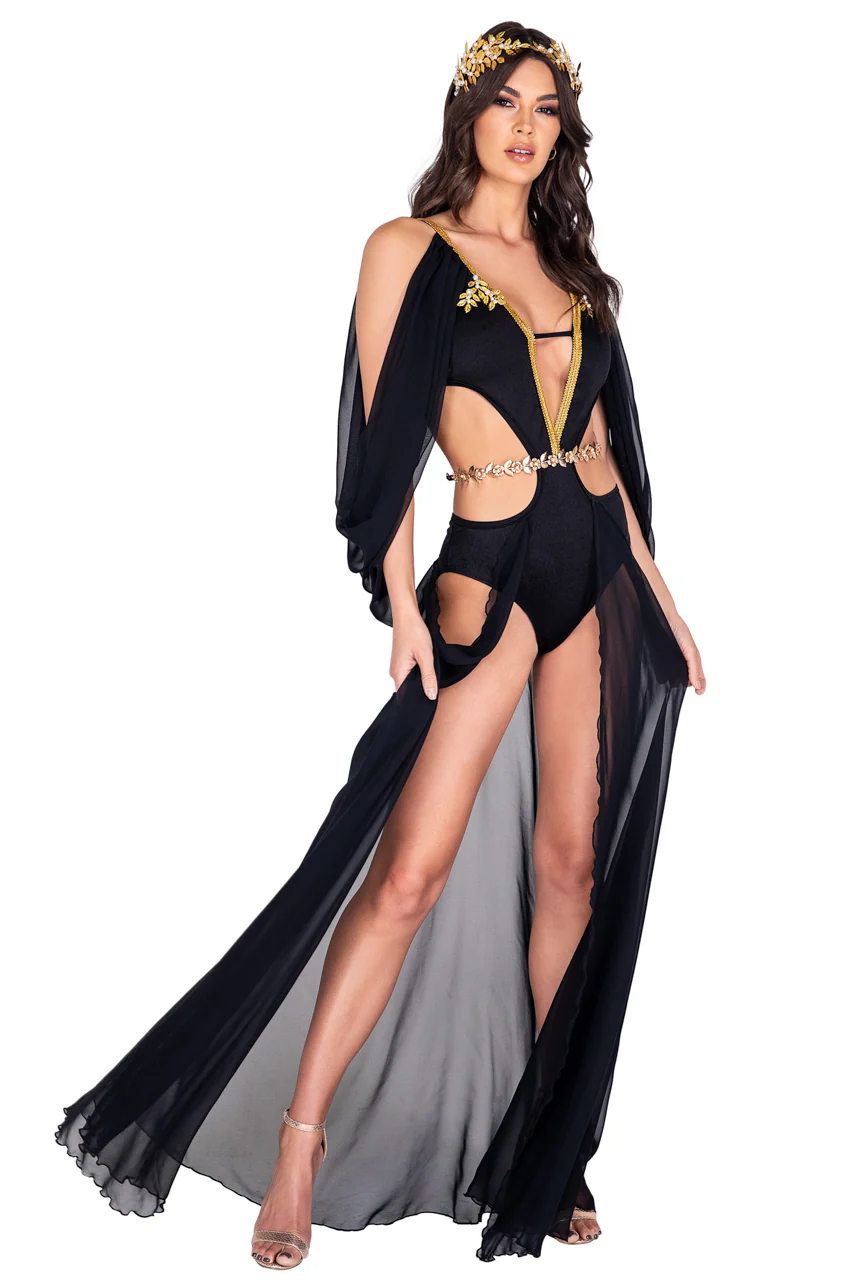
| 28 | Silken Wave | ●○○○○ | Approach | Night Dress → |
| 29 | The Polished Earring | ●●○○○ | Approach | Chemise → |
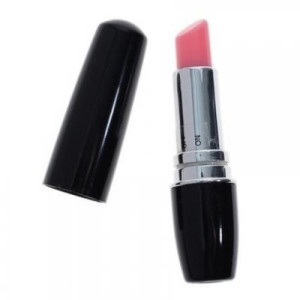
| 30 | Caressing the Crown | ●●○○○ | Approach | Lipstick Massager → |
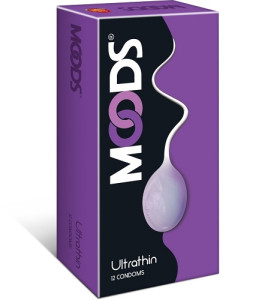
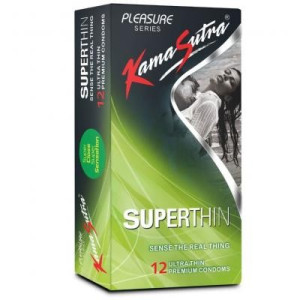
| 31 | The Bent Kiss | ●●●○○ | Contact | KamaSutra Superthin → |
| 32 | The Pressed Kiss | ●●●○○ | Contact | Manforce Litchi Flavoured → |
| 33 | The Straight Kiss | ●●●●○ | Contact | KamaSutra Ribbed → |
| 34 | The Turned Kiss | ●●●●○ | Contact | Manforce Bubblegum → |
| 35 | The Kiss of the Upper Lip | ●●●○○ | Contact | Okamoto Skinless Skin → |
| 36 | The Clasping Kiss | ●●●●○ | Contact | Okamoto 0.02 Ultra Thin → |
| 37 | The Kiss that Kindles Love | ●●○○○ | Escalation | Bridal Lingerie → |
| 38 | The Kiss that Awakens | ●●●○○ | Escalation | Skore Not Out (Delay) → |
| 39 | The Kiss that Turns Away | ●●●○○ | Escalation | Collar Leash → |
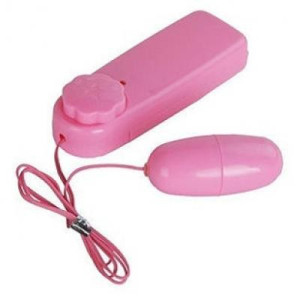
| 40 | Setting the Wheel in Motion | ●●●●○ | Escalation | Durex Intense Vibe Bullet → |
| 41 | The Kiss that Makes Advances | ●●●●● | Escalation | KamaSutra Dotted → |
Shop by Category





Explore More Guides
Passion Builders · Congress of the Mouth · Kamasutra Positions · Ananga Ranga · Tao Positions · Embraces · Sex & Relationship · Bedroom Stories · All About Condoms · Sexopedia
Reading the Chapter as a Map
Laid out in sequence, the chapter reveals something a plain list hides: it is a gradient, not a menu. It starts with hair and ends with a threshold, and every entry between raises the temperature by a measurable degree. Couples who work through it in order tend to discover that the early entries — the ones easiest to skip — are what make the later ones land.
Frequently Asked Questions
How many kisses does the Kamasutra describe?
Vatsyayana names a substantial set of kisses and classifies them by technique, by occasion and by which partner initiates — the fourteen here cover the chapter's main sequence. Notably, he insists kissing cannot be taught, only acquired through practice, which is why the text describes rather than instructs.
Which kiss should we start with?
The Approach group — Silken Wave, Polished Earring, Caressing the Crown — needs no technique at all and works for any couple. The Pressed Kiss (32) is the single most useful one to learn deliberately, because almost everyone rushes past the stage it slows down.
Does kissing actually matter that much?
Measurably. Research links frequent affectionate kissing to higher relationship satisfaction independently of how often couples have sex, and kissing raises oxytocin while lowering cortisol. The Kamasutra devoting a full chapter to it seventeen centuries ago looks less quaint in that light.
What's the difference between the Bent, Straight and Turned kiss?
Geometry, and the classical tradition took that seriously. The Bent Kiss has both heads inclining to meet; the Straight Kiss has both partners level and square; the Turned Kiss has one lifting the other's chin. Different angles, different initiative, different feel — hence three separate entries.
How do I improve at kissing?
Slow down further than feels natural, vary pressure rather than speed, and pay attention to the response you're getting rather than executing a plan. Fresh breath and lip care matter more than most people admit. Beyond that, the classical text's answer stands: practice with someone you want to practise with.
Is delivery from Condombazaar discreet?
Completely. Every order ships in plain, unmarked packaging with sender name CA Gain Healthcare — no product name or brand visible anywhere on the box. Delivering privately across India since 2010.
Related Guides
Was this guide useful? Share it: