Are you Struggling with Sexual Performance and Sex Life Detoriation? This Ultimate Guide to Male Sexual Dysfunctions will help.
Start with the symptom rather than the label. Four presentations, their likely causes, the detail that changes the answer in each, and what a doctor will actually check — plus the warning sign that makes this worth doing now rather than later.
Erectile difficulty can be an early warning of heart disease — years before any chest symptom.
An erection is a vascular event. The arteries supplying the penis are considerably narrower than the coronary arteries, so when the artery lining begins to fail — the process behind heart attacks and strokes — the narrower vessels show it first.
That makes new erectile difficulty one of the earliest visible symptoms of cardiovascular disease, often appearing before breathlessness or chest pain. Treating it as an embarrassment rather than a signal is how a genuinely useful early warning gets wasted.
🧭 Start Here — Which Describes You?
Each route below covers what it means, the usual causes in rough order of likelihood, the one detail that changes the answer, and what a doctor is likely to check.
Difficulty achieving an erection, or losing it before or during sex, on most occasions over at least a few months.
- Vascular — narrowed or damaged arteries. The commonest physical cause, and the one that links to heart disease.
- Diabetes — damages both the small arteries and the nerves involved, often earlier than other causes.
- Medication — blood pressure drugs, antidepressants, prostate drugs and some antihistamines.
- Hormonal — low testosterone, thyroid disorders.
- Psychological — performance anxiety, depression, relationship strain. The leading cause in men under 40.
Blood pressure · blood sugar (HbA1c) · lipid profile · testosterone if indicated · a review of every medicine you take
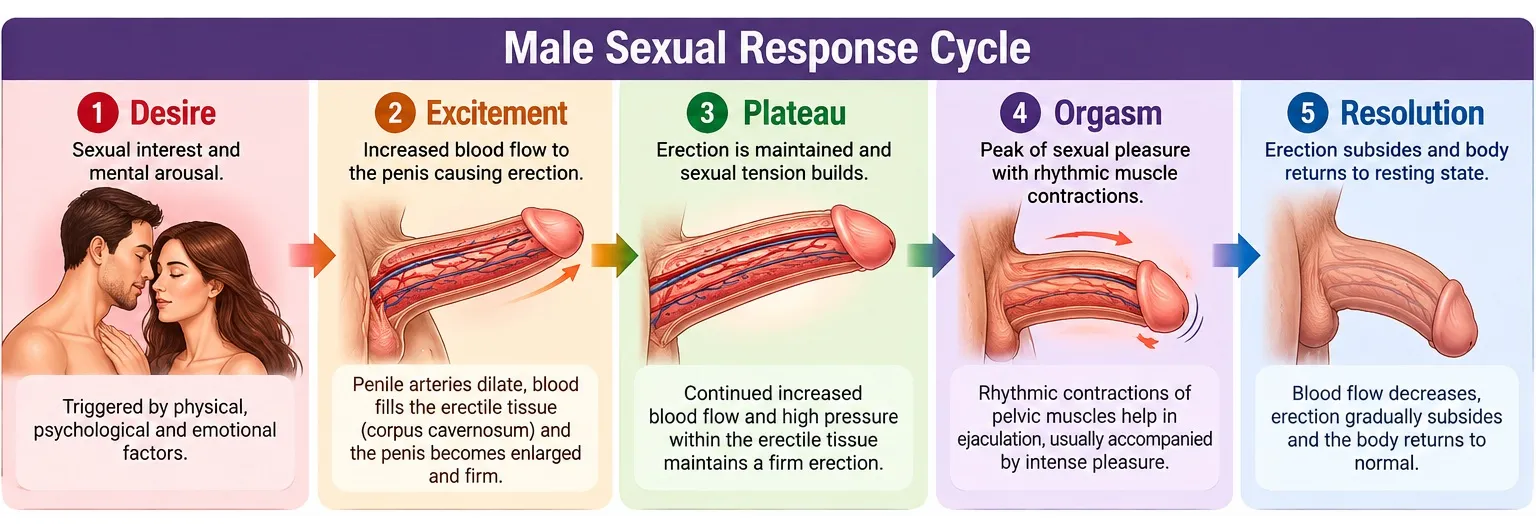
Ejaculation consistently sooner than you or your partner would like, causing distress. Clinically, roughly under a minute from penetration (lifelong), or a marked drop from your own previous baseline (acquired).
- Performance anxiety — the single commonest driver, and self-reinforcing.
- Serotonin signalling — differences here are implicated in lifelong cases.
- Prostate inflammation — prostatitis can present this way, particularly in newly acquired cases.
- Thyroid disorder — an overactive thyroid is a recognised and easily tested cause.
- Erectile difficulty — rushing to finish before losing an erection becomes a learned habit.
Thyroid function · prostate examination if indicated · a conversation about whether erectile difficulty came first
Reduced or absent interest in sex, distinct from being unable to perform. Desire itself has gone rather than the response failing.
- Low testosterone — often with fatigue, low mood, reduced muscle and poor concentration alongside.
- Depression — one of the most common causes, and frequently unrecognised in Indian men.
- Antidepressants — SSRIs reduce desire in a substantial proportion of people taking them.
- Sleep problems — particularly obstructive sleep apnoea, which lowers testosterone directly.
- Chronic stress — sustained cortisol suppresses testosterone.
- Relationship factors — unresolved conflict reliably reduces desire and is rarely the first thing considered.
Morning testosterone · thyroid function · blood sugar · a depression screen · a question about snoring and daytime sleepiness
Recurring pain in the genitals or pelvis before, during or after intercourse. Less discussed in men than in women, and under-reported in both.
- Infection — prostatitis, urinary tract or sexually transmitted infections.
- Skin conditions — dermatitis, lichen sclerosus, or a tight foreskin (phimosis).
- Peyronie's disease — fibrous scar tissue causing curvature and pain, which is treatable and worth identifying early.
- Insufficient lubrication — the simplest cause and genuinely common.
- Pelvic floor dysfunction — overly tight muscles rather than weak ones.
Examination · urine test · STI screen if relevant · assessment for curvature or scar tissue
The Cause Most Often Missed
Before concluding anything about your body, check your medicine cabinet. Several extremely common prescriptions affect sexual function, and the connection is frequently never mentioned at the point of prescribing.
| Medicine type | Commonly affects | What to do |
|---|---|---|
| SSRIs & other antidepressants | Desire, delayed or absent orgasm, erection | Very common, dose-related and often manageable by switching. Mention it — many people never do. |
| Beta-blockers | Erection, desire | Alternatives exist for many patients. A cardiologist or physician can advise. |
| Thiazide diuretics | Erection | Among the blood pressure drugs most associated with this. Often substitutable. |
| Prostate medications | Ejaculation, desire | Some cause retrograde or reduced ejaculation. Usually reversible on changing. |
| Antihistamines & decongestants | Erection, temporarily | Over-the-counter and easy to overlook. Usually short-lived. |
| Antipsychotics & lithium | Desire, arousal, orgasm | Needs specialist input — never adjust these independently. |
What the Evidence Supports
Ranked by how much good evidence sits behind each, rather than by how often it gets advertised.
| Approach | Strength of evidence | What to expect |
|---|---|---|
| Treating the underlying condition | Strong | Controlling diabetes, blood pressure and cholesterol improves sexual function because it addresses the actual cause. |
| Aerobic exercise | Strong | The best-evidenced non-drug treatment for erectile difficulty. Around 30 minutes most days; improvement over weeks to months. |
| Stopping tobacco | Strong | Dose-related, so cutting down helps before quitting does. Most marked improvement in younger men. |
| Reviewing medication | Strong | Where a drug is the cause, substitution often resolves it entirely. The fastest win available. |
| Psychosexual therapy | Strong | Particularly for sudden, situational or anxiety-driven problems. Frequently the single most effective step under 40. |
| Weight loss | Good | Reliable rather than dramatic, and it compounds with exercise and diet changes. |
| Pelvic floor training | Good | Trial evidence for both erectile difficulty and premature ejaculation. Four to six weeks before judging. |
| Prescription medication | Strong, with cautions | Effective for many. Requires a doctor — and must never be combined with nitrate medicines. |
| Constriction rings & vacuum devices | Moderate | Useful for difficulty maintaining rather than achieving. Remove rings within 30 minutes. |
One Combination That Can Be Fatal
PDE5 inhibitors — sildenafil, tadalafil and their relatives — must never be taken with nitrate medicines used for angina and chest pain. Both lower blood pressure and together they can drop it catastrophically.
That is precisely why they are prescription medicines in India, and why buying them online without a consultation removes the one check that matters most. Counterfeit tablets are also widespread — an unregulated pill of unknown content, taken by a man who may have undiagnosed heart disease, is a dangerous combination.
🤝 Why Indian Men Wait, and Why Waiting Costs
Research consistently finds sexual dysfunction is common and under-reported here — not because the problems are different, but because raising them is harder. Embarrassment, a worry about judgement, and an assumption that nothing can be done all contribute.
The cost of waiting is real and specific. A cause that was straightforward at year one is harder at year five. An early cardiovascular signal missed is five years of damage unaddressed. And the anxiety layer that builds on top of any physical problem gets more entrenched the longer it goes unspoken.
A doctor has heard this many times and will treat it as routine. If talking to a family physician feels difficult, a urologist, endocrinologist or sexual medicine specialist can be approached directly.
What Helps in the Meantime
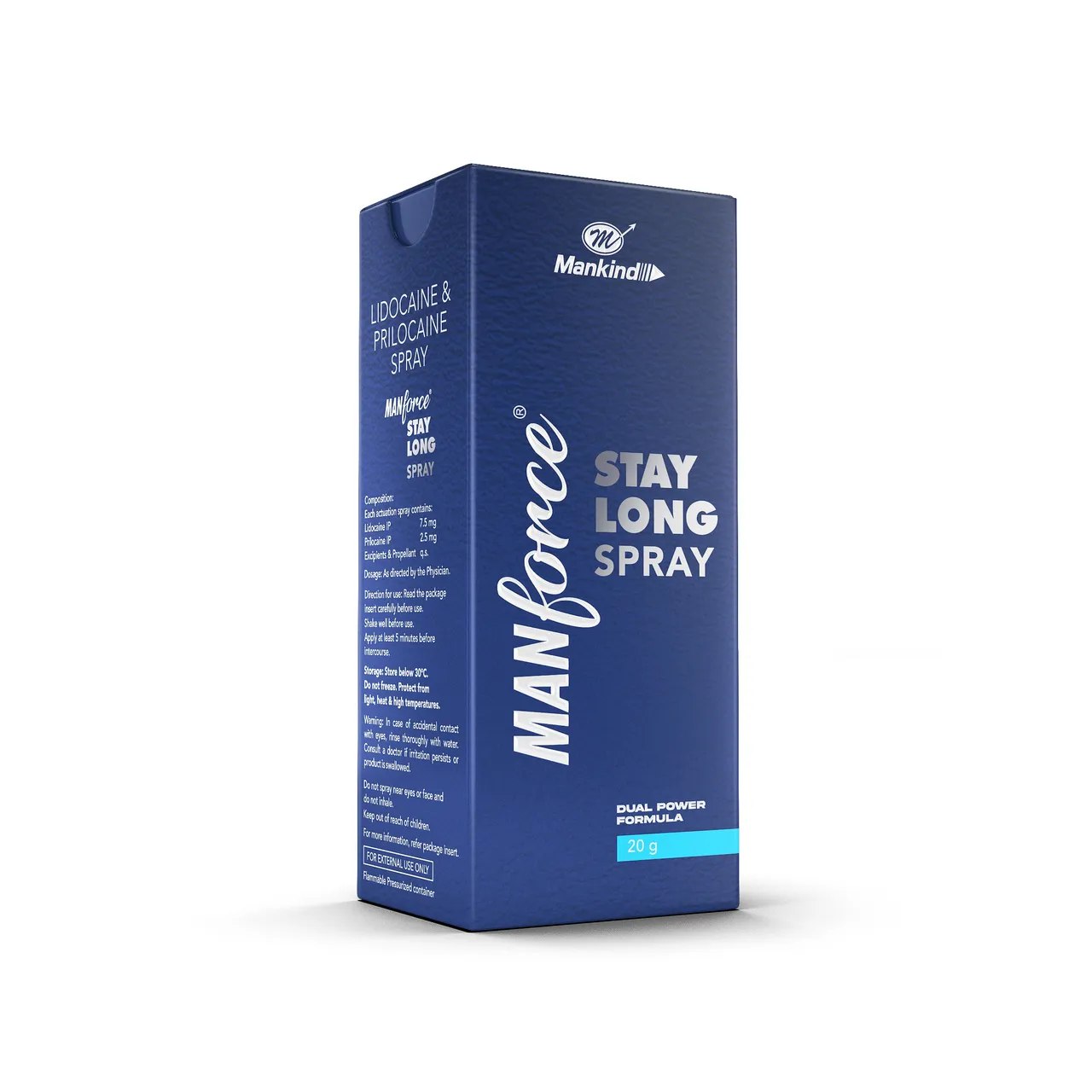
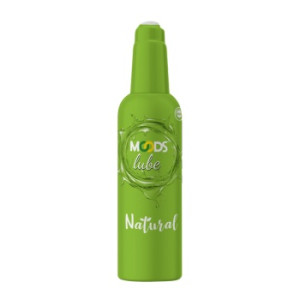
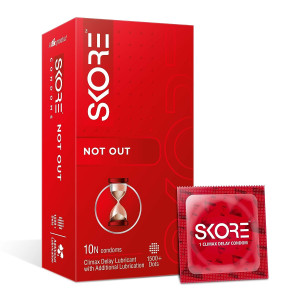
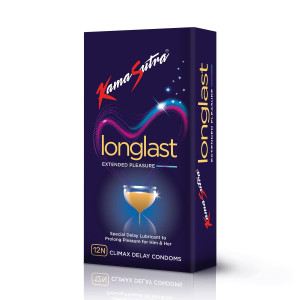
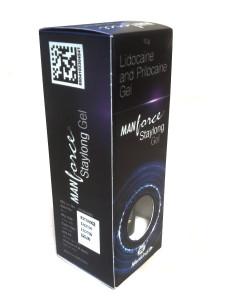
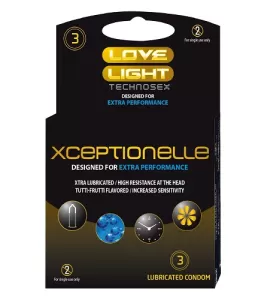
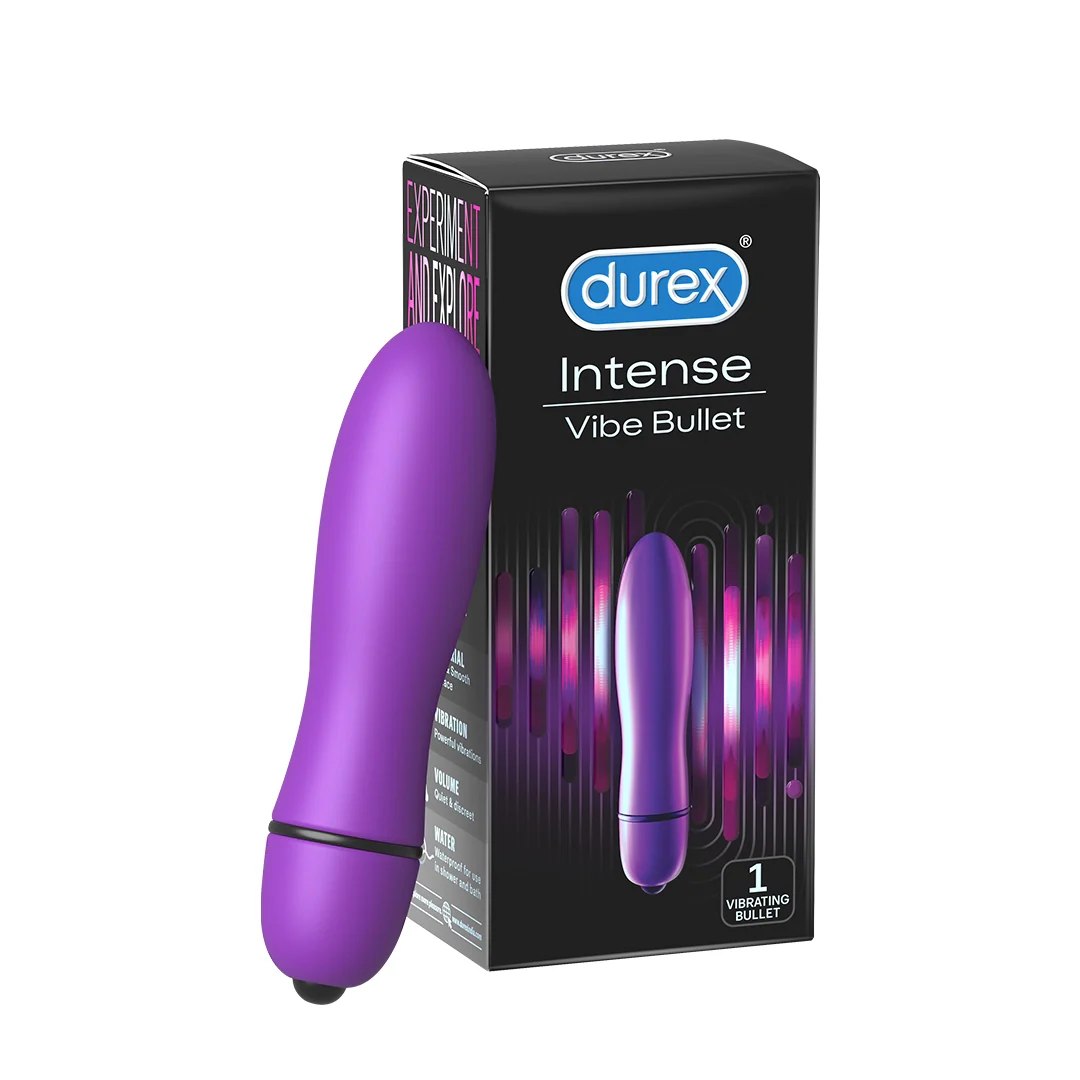
None of these treats a cause — they keep intimacy going while the real work happens.




Shop by Category

The Short Version
Name the symptom first — erection, timing, desire or pain — because each points somewhere different. Under 40, psychological causes dominate and respond well to being addressed openly. Over 40, physical causes become likelier, and gradual erectile difficulty is worth treating as an early cardiovascular signal: get blood pressure, blood sugar and cholesterol checked. Check your medicines before concluding anything about your body. Exercise, stopping tobacco and reviewing medication are the best-evidenced steps. Never combine PDE5 medication with nitrates. And the delay between noticing and asking is the one variable entirely within your control.
Explore More Guides
ED — Body or Brain? · Last Longer in Bed · Myths vs Facts · Condom Size Guide · Size & Technique · Vibrating Rings · Love & Intimacy Dictionary · Sexual Health · How-To Guides · Sexopedia
Frequently Asked Questions
What counts as sexual dysfunction?
A persistent problem at any stage of the sexual response — desire, arousal, orgasm or pain — that causes distress. The key word is persistent: an occasional off night is normal and happens to everyone. It becomes worth investigating when it is consistent over months and affects you or your relationship.
Which is more common, physical or psychological causes?
It varies sharply with age. Under 40, psychological factors dominate — performance anxiety, stress, depression and relationship strain. Over 40, physical causes become increasingly likely, particularly vascular disease, diabetes and medication side effects. Mixed pictures are the norm in both groups, because a physical problem usually acquires an anxiety layer.
Can medicines cause sexual dysfunction?
Yes, and it is one of the most overlooked causes. Antidepressants (especially SSRIs), blood pressure medicines (particularly beta-blockers and thiazide diuretics), prostate drugs, some antihistamines and hormone treatments can all affect desire, erection or ejaculation. Never stop a prescribed medicine on your own — a doctor can often substitute an alternative.
Is sexual dysfunction a sign of another illness?
Often, and that is the main reason to take it to a doctor. Erectile difficulty can be an early signal of cardiovascular disease, because the arteries involved are narrower than the coronary ones and show damage first. Low desire can indicate low testosterone, thyroid disorder, sleep apnoea or depression. Painful sex can indicate infection or Peyronie's disease. Each is treatable once identified.
What will the doctor actually do?
Usually a conversation, a physical examination, and some straightforward blood tests — blood pressure, blood sugar, cholesterol, and testosterone or thyroid function where indicated. They will also review every medicine you take. None of it is invasive, and the questions, however personal they feel, are what make an accurate answer possible.
Can it be cured?
Frequently, yes — particularly when the cause is identified early, the person is younger, and the driver is stress, anxiety or a medication that can be changed. Problems with an established physical cause are usually managed well rather than cured outright, which in practice means a satisfying sex life either way. Delay is the main thing that worsens the odds.
How do I raise it with my partner?
Directly and early, framed as something you are working on rather than a confession. Secrecy is what sustains performance anxiety, and partners generally respond far better than men expect — the silence is usually more damaging to a relationship than the difficulty is.
Is delivery from Condombazaar discreet?
Completely. Every order ships in plain, unmarked packaging with sender name CA Gain Healthcare — no product name or brand visible anywhere on the box. Delivering privately across India since 2010.
Related Guides
Was this guide useful? Share it: