Teasing the Jade Stem — Sex Position 49
Reciprocal oral-anal contact — each partner taking a turn. The clinical term is anilingus, and of all 365 positions this is the one where preparation matters more than technique. Here's how to do it properly.

At a glance
| Position | 49 of 365 |
|---|---|
| Family | Oral · Reciprocal |
| Clinical term | Anilingus (mutual) |
| Intensity | |
| Effort | Low — physically undemanding |
| Preparation | High — this is the whole job |
| Needs | A shower, barriers, agreement |
Read This Before Anything Else
The rectum hosts bacteria and, in some cases, parasites. Hepatitis A, giardia, E. coli, shigella and intestinal worms all transmit through oral-anal contact — including between partners who feel entirely healthy, because carriers are often symptom-free. Herpes, HPV, syphilis and gonorrhoea can transmit this way too.
None of that makes the act unsafe. It makes it an act with a protocol: shower first, use a barrier, one barrier per direction, and never move from anal to vaginal contact without washing or changing it. Follow those four and the risk drops to roughly that of ordinary oral sex. If this is something you do regularly, hepatitis A and B vaccines are inexpensive and widely available in India — worth one conversation with a GP.
How to Get There
Agree on it first — properly
This is not a position to introduce mid-session. Feelings about it are strong in both directions, and a partner who feels ambushed will remember that far longer than anything else about the evening. Raise it outside the bedroom, framed as curiosity rather than a request, and treat a no as a complete answer that needs no justification.
Shower — both of you
Plain warm water and a gentle wash on the external area only. Avoid heavily perfumed soaps, which irritate genital and anal skin and cause more problems than they solve. Internal douching is unnecessary and can irritate the rectal lining, so skip it. This step isn't fastidiousness; it's the single biggest factor in whether either of you enjoys it.
Prepare the barrier
Cut a condom lengthwise and open it out flat — that's a dental dam, and it's the improvisation health services themselves recommend since purpose-made dams are hard to find in India. A flavoured one turns a precaution into something pleasant. Use a fresh barrier for each direction and never flip a used one over. A drop of water-based lubricant on the underside improves sensation considerably.
Get the position right
The classical arrangement has one partner lying back with legs held while the other leans in from above. Comfort decides everything here: a pillow under the receiving partner's hips raises the angle, and the giving partner should be able to rest their weight rather than hold a strained neck position. If either of you is working to stay in place, adjust before continuing.
Take turns, then wash before moving on
The position is defined by reciprocity — each partner gives and receives in turn, with a fresh barrier between them. When you move on to anything else, wash hands and mouth thoroughly first. That transition is where nearly all the avoidable infections happen, and it takes thirty seconds to prevent.
Why It Works
The mechanics are straightforward: the anal area is densely supplied with nerve endings and is, for most people, an area that receives almost no attention — so novelty does a great deal of the work. What makes this particular entry distinctive is that it is explicitly reciprocal. Classical manuals usually describe oral acts in one direction; framing it as an exchange changes the dynamic entirely, because both partners are equally exposed and equally attentive. Couples who enjoy it tend to describe the trust involved rather than the sensation.
✅ What makes it work
- Agreed in advance, outside the bedroom
- Both partners showered, external wash only
- A fresh barrier for each direction
- Water-based lubricant under the barrier
- A pillow under the hips, no strained necks
- Hepatitis A/B vaccination if it's regular
⚠️ What to avoid entirely
- Springing it on a partner mid-session
- Skipping the barrier "just this once"
- Flipping or sharing a used barrier
- Anal to vaginal contact without washing
- Perfumed soaps or internal douching
- Oil-based products with latex barriers
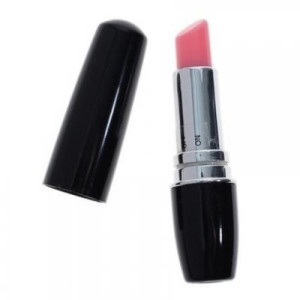
🛒 What This Position Actually Calls For
Preparation is the technique here. These six cover it.





Where to Go Next
This position sits in the Kamasutra's auparishtaka chapter — the section devoted entirely to oral congress. If it appealed, these are the neighbouring entries, and the first two are gentler starting points.
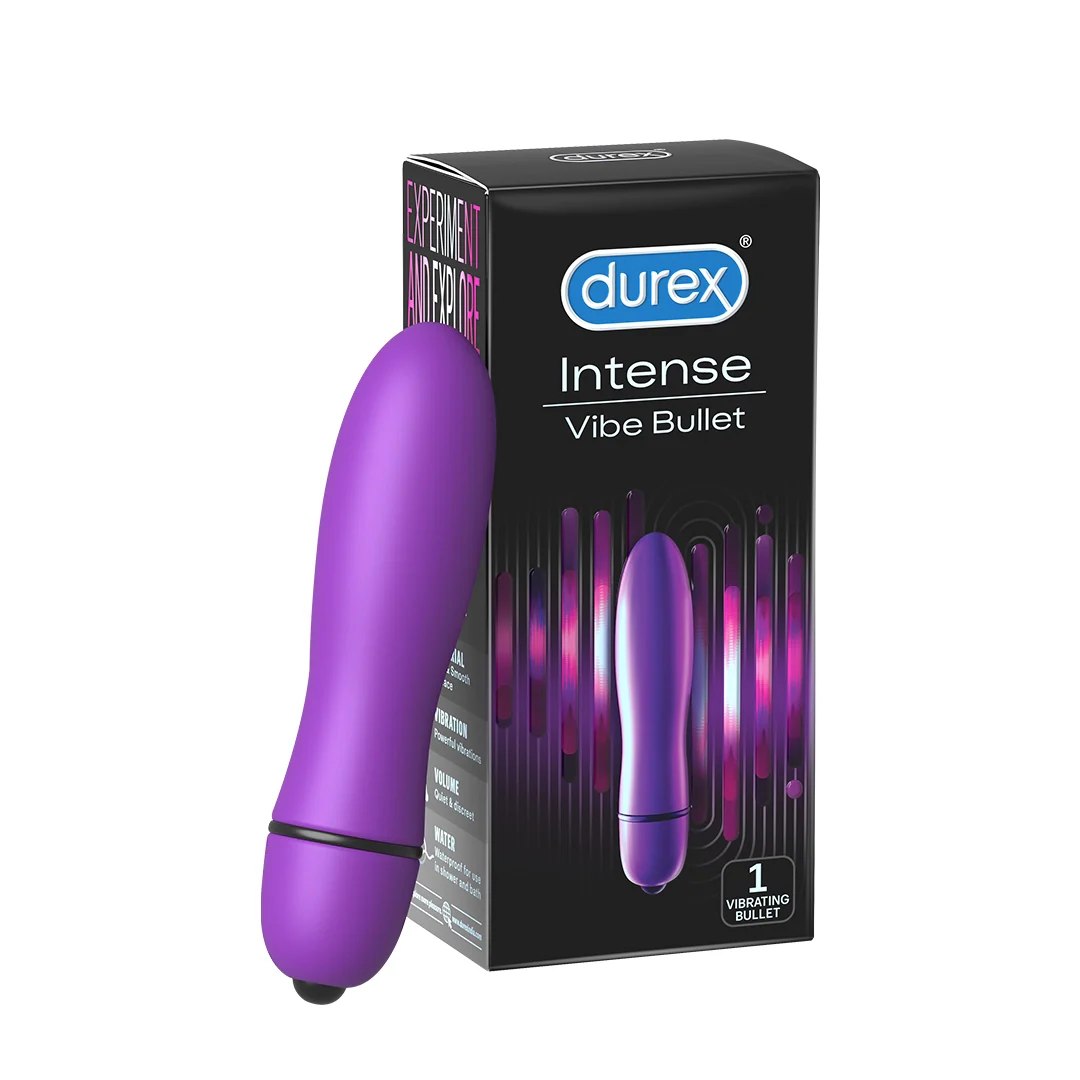
Shop by Category


Explore More Guides
Congress of the Mouth · Love & Intimacy Dictionary · Love's Arrow (Position 60) · Positions for Lust · Positions for Sweet Romance · Kamasutra Part 3 · Sexual Health · How-To Guides · All About Condoms · All 365 Positions
Frequently Asked Questions
What is Teasing the Jade Stem?
Position 49 of the 365 series — reciprocal oral-anal contact, where each partner takes a turn. The clinical term for the act is anilingus; it appears in classical manuals across several traditions, and this entry is distinguished by being explicitly mutual rather than one-directional.
Is anilingus safe?
It carries real but entirely manageable risk. The rectum hosts bacteria and sometimes parasites — hepatitis A, giardia, E. coli, shigella and intestinal worms can all transmit this way, even between partners who feel completely healthy. A barrier eliminates almost all of it. Herpes, HPV, syphilis and gonorrhoea can also transmit through oral-anal contact.
What is a dental dam and where do I get one in India?
A thin latex or polyurethane sheet placed over the area as a barrier. Purpose-made dams aren't widely stocked in India, but a condom cut lengthwise and opened flat works identically — an improvisation health services themselves recommend. A flavoured condom makes it noticeably more pleasant. Use a fresh one for each direction and never flip a used barrier over.
Should we get vaccinated?
If this is something you do regularly, yes — hepatitis A and B vaccines are widely available in India, inexpensive, and remove the two most serious risks associated with the act. It's a single conversation with a GP and worth having.
How should we prepare beforehand?
Shower first — essential rather than optional here. Plain warm water and a gentle wash on the external area only; heavily perfumed soaps irritate the skin. Internal douching is unnecessary and can irritate the rectal lining, so it's better skipped.
What's the one rule we shouldn't break?
Never move from anal to vaginal contact without washing thoroughly or changing the barrier — not mouth, not fingers, not a toy. This single rule prevents most post-intimacy urinary tract infections and bacterial vaginosis, and it applies to every position involving both areas.
Is delivery from Condombazaar discreet?
Completely. Every order ships in plain, unmarked packaging with sender name CA Gain Healthcare — no product name or brand visible anywhere on the box. Delivering privately across India since 2010.
Related Guides
Was this guide useful? Share it: