Rising Position — Sex Position 80
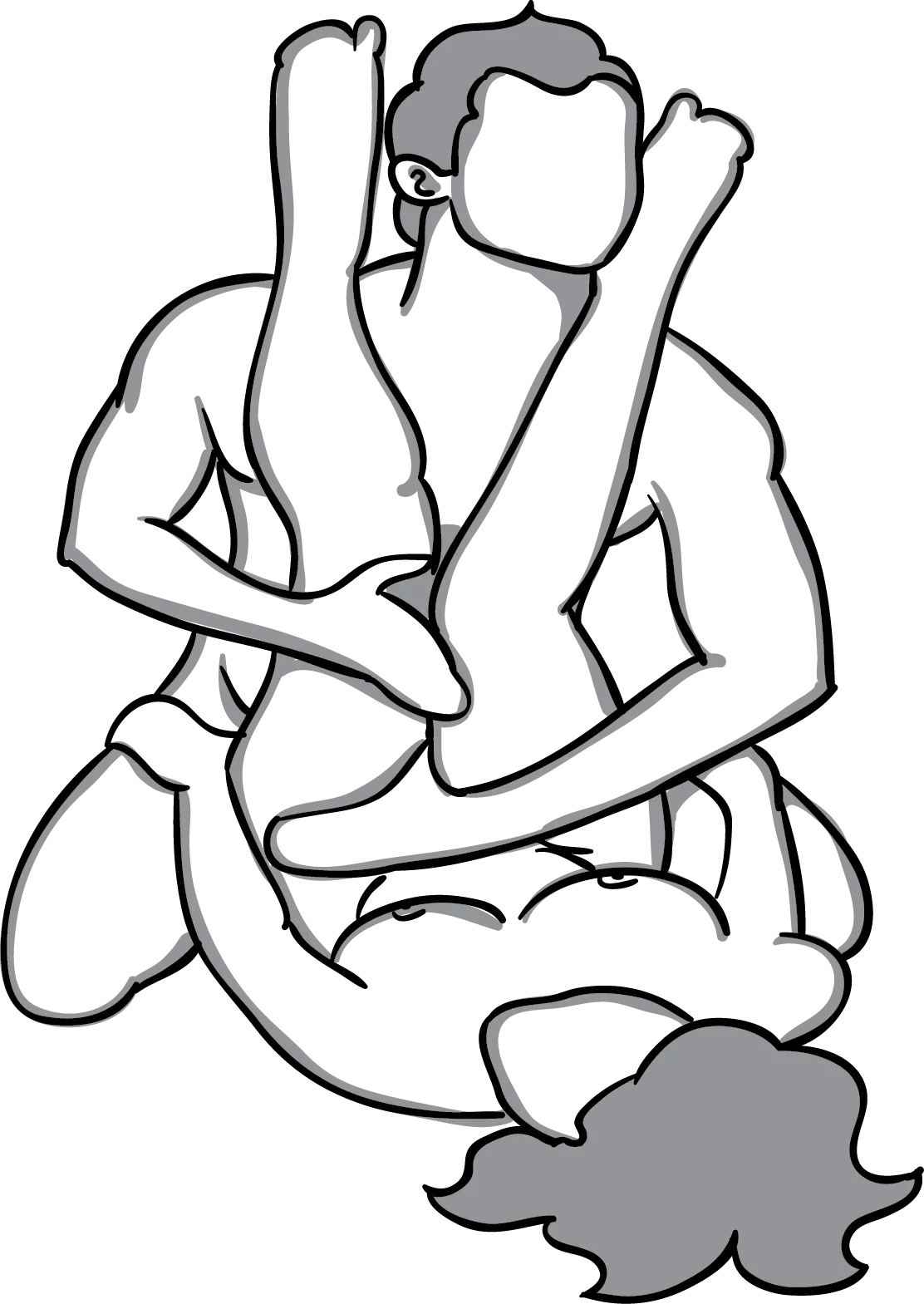
She raises her legs together into a V against his shoulder; he kneels close and holds them. Compact enough for a small room, and among the deepest-contact positions in the catalogue — which makes knowing how to control that depth the most useful thing on this page.
The Setup
She lies on her back and raises both legs together, resting them against his shoulder or chest; he kneels close, holds her legs for support, and she lifts her hips slightly. That's the whole arrangement — no furniture, no props, and it fits in a space barely larger than the two of you.
Legs together, not apart
This is the detail that defines the position. Closing the legs narrows the angle of approach and produces a noticeably different sensation from the legs-apart variants. Every classical manual catalogues the two separately for exactly this reason — it isn't a technicality, the feel genuinely differs.
Two things worth having
- A cushion under his knees. The only piece of equipment this position really wants, and it roughly doubles how long it stays comfortable for him.
- A pillow under her hips. Optional, but it changes the angle in a way that often makes deep contact comfortable when it otherwise isn't — more on that in the next tab.
Controlling Depth
This position reaches deeper than most, which is its appeal and also its main risk. Depth here isn't fixed — you have three independent levers, and knowing them turns an uncomfortable position into a controllable one.
1. Her leg height
Legs on his shoulder is the deepest configuration. Lowering them to rest against his chest shortens the angle immediately and noticeably. This is the fastest adjustment and the one to reach for first.
2. His kneeling distance
Sitting back on his heels rather than leaning forward reduces depth without changing anything else about the arrangement. Useful mid-session when you don't want to break the position to adjust.
3. A pillow under her hips
This one is misunderstood. A pillow changes the angle more than the depth — it tilts the pelvis so contact falls along the front wall rather than straight ahead. Couples who find deep positions uncomfortable often find this single change fixes it.
Making It Better
The original description of this position claims it delivers clitoral and vaginal stimulation together. That overstates it — the V shape produces excellent internal contact and very little external contact. Which matters, because roughly 70–80% of women don't reliably orgasm from penetration alone at any depth.
So add the missing half
- His thumb. The simplest fix, and the position leaves a hand free once her legs are settled against his shoulder.
- Her own hand. Often better than his, because she can adjust pressure continuously without either of you breaking rhythm.
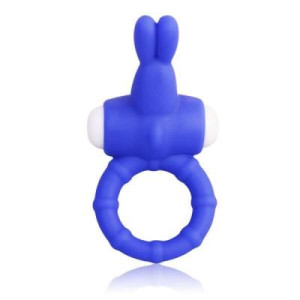
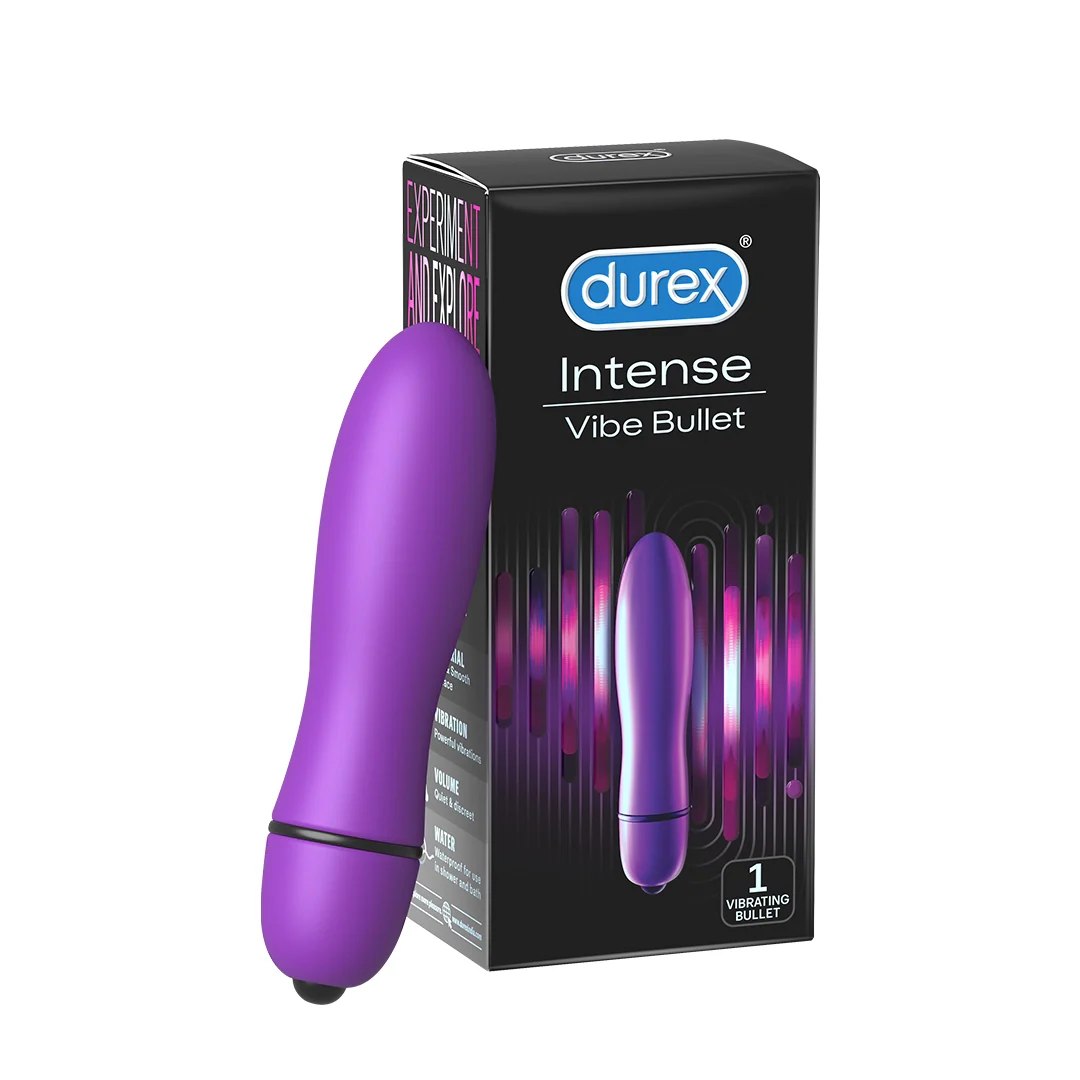
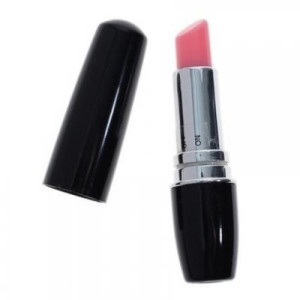
- A vibrating ring or bullet. Provides consistent contact neither of you has to work for — the most reliable option in a position where his hands are partly occupied holding her legs.
On lubricant
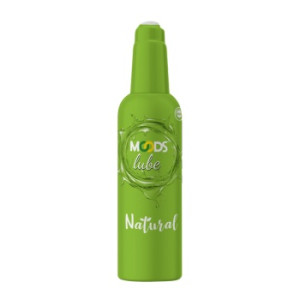
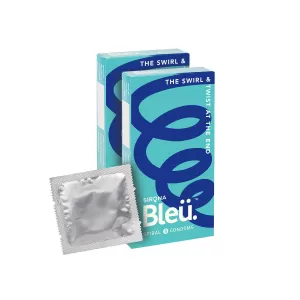
Deep positions build friction faster than shallow ones and this one tends to run at pace. A water-based lubricant within reach is worth having even if you don't normally use one.
When Deep Positions Hurt
Discomfort during deep contact is common, and it's worth understanding rather than pushing through. Most of the time it means contact with the cervix — which is a signal to reduce depth, not to persist.
Why it varies week to week
Cervix position shifts through the menstrual cycle, sitting lower and firmer around ovulation and higher and softer at other times. A position that felt comfortable one week can genuinely feel different the next, and neither partner has done anything wrong. Adjust the leg height and carry on.
When it's worth seeing someone
If deep contact is consistently and reliably painful rather than occasionally uncomfortable — or if pain persists after sex, or comes with heavy or irregular periods — that's a conversation for a gynaecologist. Endometriosis, ovarian cysts, fibroids and pelvic inflammatory disease all commonly present as pain during deep penetration, and all are far easier to manage when raised early.
What to Try Next
The Rising Position sits in a family of raised-leg kneeling arrangements that recur across all four classical traditions. These are its closest relatives — the first two are gentler, the last two go deeper.
The Loadout
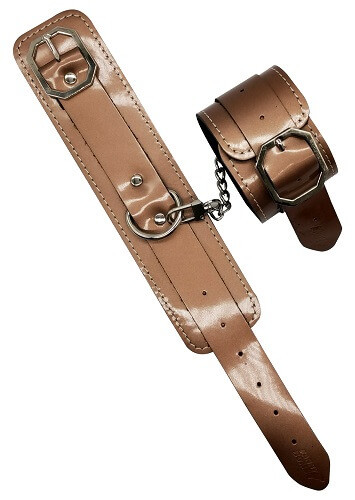
His hands are holding her legs — which is exactly why the clitoral contact needs to come from somewhere else.


Shop by Category



Explore More Guides
Tailor Position (79) · Love's Arrow (60) · Opening the Peony (43) · Kamasutra Part 2 · Ananga Ranga Part 1 · Perfumed Garden Part 4 · Size & Technique · Sexual Health · How-To Guides · All 365 Positions
Frequently Asked Questions
What is the Rising Position?
Position 80 of the 365 series — she lies on her back and raises her legs together, resting them on his shoulder or against his chest to form a V shape, while he kneels close and holds them for support. It's compact, needs no furniture, and produces some of the deepest contact available.
Why do legs together produce a different sensation than legs apart?
Because closing the legs narrows the vaginal canal slightly and changes the angle of approach. The same mechanism appears across every classical manual — legs raised together is catalogued separately from legs raised apart precisely because the sensation genuinely differs, not as a technicality.
Is deep penetration supposed to hurt?
No. Discomfort in deep positions usually means contact with the cervix, and that's a signal to reduce depth rather than push through. Cervix position also shifts through the menstrual cycle — sitting lower and firmer around ovulation — so a position that felt fine one week can feel different the next. If deep contact is consistently painful rather than occasionally uncomfortable, that's worth raising with a gynaecologist; conditions like endometriosis or ovarian cysts commonly present this way.
How do we control the depth?
Three levers, in order of usefulness. Her leg height — lowering them from his shoulder to his chest shortens the angle immediately. His kneeling distance — sitting back rather than leaning forward reduces depth without changing anything else. And a pillow under her hips, which changes the angle more than the depth and often makes deep contact comfortable when it wasn't.
Does this position give clitoral stimulation?
Not on its own — and the original description overstates this. The V shape produces excellent internal contact but little external clitoral contact, which is why a thumb, a hand or a vibrating ring makes such a noticeable difference here. Roughly 70–80% of women don't orgasm from penetration alone, so treating that as optional is what leaves this position underperforming.
Where can it be done?
Almost anywhere. It's genuinely compact — no furniture, minimal floor space, and both partners stay within a small footprint. The classical texts recommend it for small rooms and even tents for exactly that reason. A cushion under his knees is the only thing worth having.
Is delivery from Condombazaar discreet?
Completely. Every order ships in plain, unmarked packaging with sender name CA Gain Healthcare — no product name or brand visible anywhere on the box. Delivering privately across India since 2010.
Related Guides
Was this guide useful? Share it: