Kissutra: The ultimate guide for Kissing
Forty types of kiss, sorted by how intimate they are and where they land — plus where kissing came from, what Vatsyayana wrote about it, and the chemistry behind why it works.
Why Kissing Registers So Strongly
The lips occupy a disproportionately large area of the brain's sensory map — far more than their size would suggest — which is why relatively light contact produces such a strong response. Kissing triggers oxytocin, associated with bonding, alongside dopamine and endorphins, while measurably lowering cortisol.
That's the mechanism. The practical part is that kissing is a language rather than a technique: the same pair of lips delivers something entirely different to a grandmother, a friend and a partner. What follows is the vocabulary — forty distinct kisses, each with a different placement, pressure or intent.
Where Kissing Comes From
Kissing is not universal and never has been. Anthropologists surveying hundreds of societies have found that romantic kissing appears in rather fewer of them than most people assume — which makes it a cultural practice that spread rather than a human instinct that was always there. And a sizeable part of that spread traces back to India.
🧪 What Actually Happens When You Kiss
Philematology — the study of kissing — is a small field with some genuinely surprising findings.
Why Women and Men Use Kissing Differently
Research on this is reasonably consistent. Women tend to treat kissing as an assessment tool — a way of gauging a partner before and during a relationship, and a measure of how things are going later on. Men are more likely to treat it as a means to an end, and more likely to rate it as less important than their partner does.
That asymmetry explains a very common complaint: kissing tapers off in long relationships, and it usually tapers from one side first. Couples who report the highest satisfaction tend to be the ones who kept kissing outside of sex — the hallway, the kitchen, the doorway — rather than only as a prelude to something else.
There's also a plausible biological reading. Close-range kissing delivers a great deal of chemical information — scent, taste, immune-system cues — and some studies suggest people are drawn to partners whose immune profiles differ from their own. Whether or not that holds up, the behavioural finding is solid: a bad first kiss ends a surprising number of promising starts.

The universal opener — affectionate, low-stakes and appropriate almost anywhere. Choose the soft part of the cheek, brush your lips gently first, then add light suction.

Ask her to close her eyes, then kiss each eyelid softly. Its power is entirely in its rarity — nobody kisses a stranger's eyes.

A kiss of care and protection rather than desire. It passes between parents and children, between friends, and between partners at the end of a hard day.

The back of the hand, held lightly. Historically a formality, now almost purely romantic — and accepting one is itself a signal.

Fingertips carry an unusually high density of nerve endings. Kissing or lightly drawing a finger between your lips registers far more strongly than most people expect.

A light peck on the tip of the nose. Affectionate, slightly silly, and almost impossible to receive without smiling.

The nape is one of the body's most reliably responsive areas — thin skin, dense nerve supply, and usually untouched. Lips first, then breath, then tongue.

The deep kiss, tongues engaged. The universal advice from people who study this: start slower than you think you should, and match your partner's pace rather than setting it.
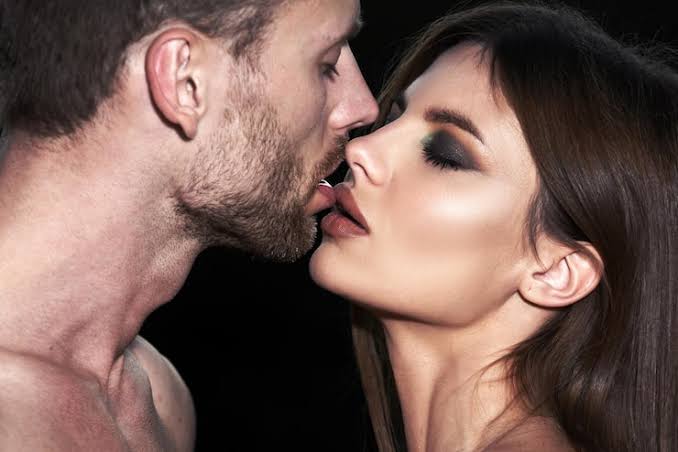
When she leans in, pull back slightly. Kiss the skin around her mouth, trace her upper and lower lip — everything except the kiss she's waiting for.

Part your lips slightly and take just her upper or lower lip between them. Hold it, suck gently, nibble lightly. Then switch to the other.

Hold an ice cube on the tip of your tongue, then kiss her and pass it across. Play with it until it melts.

A deep, warm kiss followed immediately by gently blowing cool air across the same wet skin. The temperature contrast is what produces the shiver.

Begin with a French kiss, then withdraw to hold only her lower lip. Suck gently, run your tongue along its inner edge, and keep it there.

An escalation of the French kiss — holding her lip, then gently drawing her tongue into your mouth. Intense, and squarely for couples who already know each other well.

Kissing with your eyelashes rather than your lips. Bring your face close and blink slowly against her cheek, nose or brow.
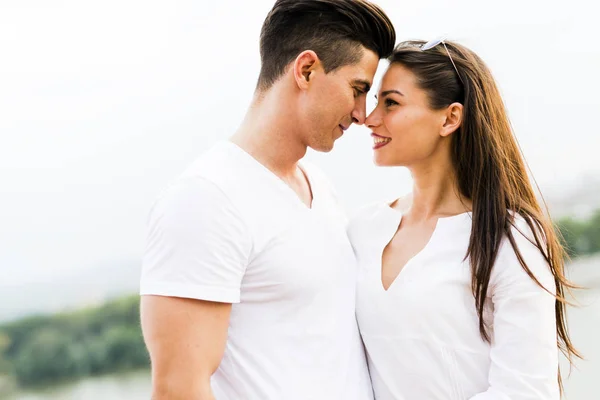
Rubbing noses gently, up and down and side to side. Affectionate rather than sexual, and a staple of romantic fiction for good reason.

Sustained suction on the neck. Genuinely arousing for many people — and it leaves a visible mark for several days.
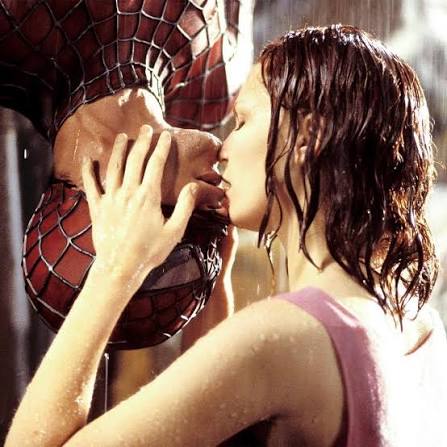
The upside-down kiss. Nobody needs to hang from anything — lying across a bed with your head over the edge achieves it safely.

Take a sip of something and hold it in your mouth rather than swallowing. She takes it from you.
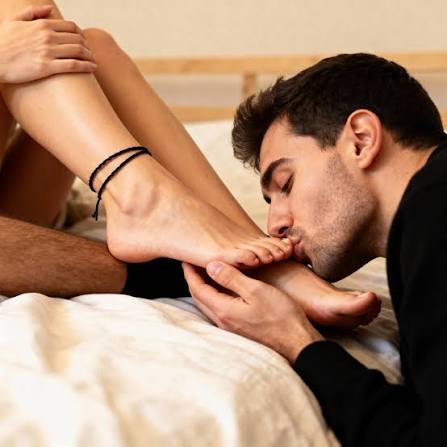
The sole and toes are dense with nerve endings and almost never touched this way, which makes the sensation unfamiliar rather than merely pleasant.

Tongue tips touching, nothing more. Silly by design, and best deployed in the middle of something entirely unromantic.
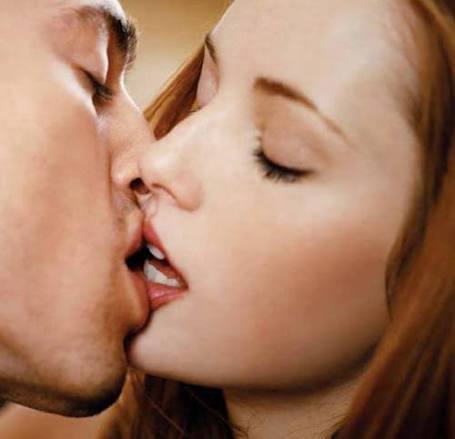
A gentle graze of teeth on the lip, earlobe, shoulder or anywhere you already kiss. The pressure should stay well below anything that hurts.

An unexpected spot with surprisingly thin skin. Approach while she's lying down and occupied with something else, and the surprise does half the work.

Choose a part of her body and trace its outline with your tongue — or write a word, slowly enough that she tries to read it.
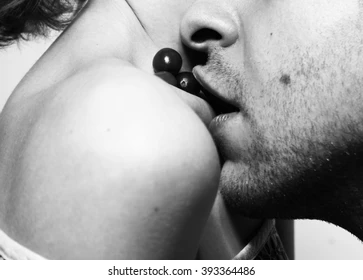
The collarbone sits between the neck and the shoulder and inherits the sensitivity of both. Kiss along its length, then follow it out to the shoulder.

The navel is soft, ticklish and rarely kissed. Two versions: a light playful peck, or kneeling while she stands, which changes the register entirely.

The natural continuation after cheek and ear. Shoulders are broad, unhurried territory — this is a kiss that doesn't need to arrive anywhere.
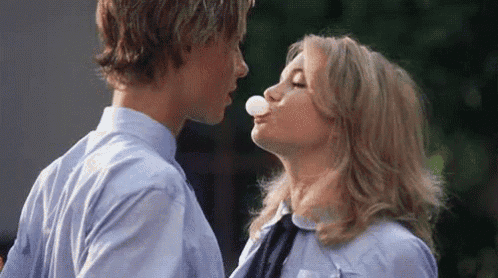
Blow a bubble, let her burst it with her teeth, then pass the gum across. Entirely silly and surprisingly effective as a warm-up.

Short, closed-lipped, no tongue. The everyday kiss — hello, goodbye, good morning over coffee.
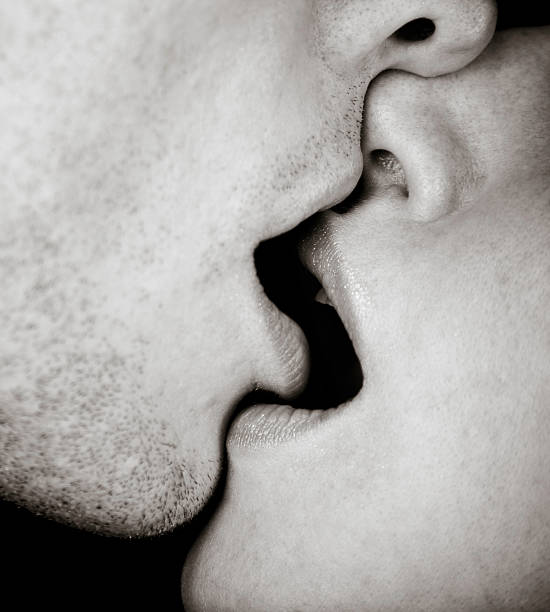
Playful, audible, no tongue. The sound is the entire point — it signals mood more than desire.
Spoken rather than given — over a phone, across a room, from a departing car. Pure signal, no contact.

Delivered while cuddling from behind. The shoulder blade — sometimes called the angel wing — sits in territory almost nobody touches.

An athletic, playful arrangement — she lies down, you lift a leg and lean across it in something like a flying pose, then kiss.

A game for long drives: green means she kisses you, red means you kiss her, amber means a kiss on the cheek. Every signal becomes an opportunity.

Cuddle her closely, shift her into a position neither of you started in, and kiss whichever part of her is nearest your mouth. Then she returns it.

Chocolate, cream, honey, peanut butter — anything sweet held in your mouth and passed across. Keep going until it's finished.

A French kiss with the tongue rolling rather than thrusting — circular, exploratory, moving across and in and out.

Approach as though you're about to kiss hard — then brush only your tongue along the line of her lips and cheeks, withholding the kiss itself.

Lipstick on paper, with a note. Physical, keepable, and specifically built for distance.

A kiss sent by message. Specific beats generic — reference an actual moment rather than sending an emoji.
🤝 The Two Worth Agreeing On First
Almost everything here needs no discussion at all. Two do:
- The Hickey (17). Sustained suction leaves a visible mark for several days. Placement matters if either of you has work, family or a wedding that week — this is not a surprise to spring.
- The Nibble (22). Teeth introduce a pressure gradient, and where "gentle" sits differs between people. Start lighter than feels meaningful; you can always add, you can't take back.
Beyond those, the general principle across every kiss on this page: read the response rather than the instruction. Someone leaning in wants more; someone holding still usually doesn't.
A Note on Fresh Breath
It's the one variable that affects every kiss on this list, and the only one nobody mentions to a partner. Water helps more than mints do — most transient bad breath comes from a dry mouth rather than from anything eaten. Avoid brushing immediately before anything that involves tongues, since it can leave the gums abraded. And the Hot and Cold Kiss (12) in particular is much stronger after a mint, because the cool phase depends on it.
What Pairs With an Evening That Starts Here
Kissing usually leads somewhere. These are the things that keep the mood continuous rather than interrupting it.
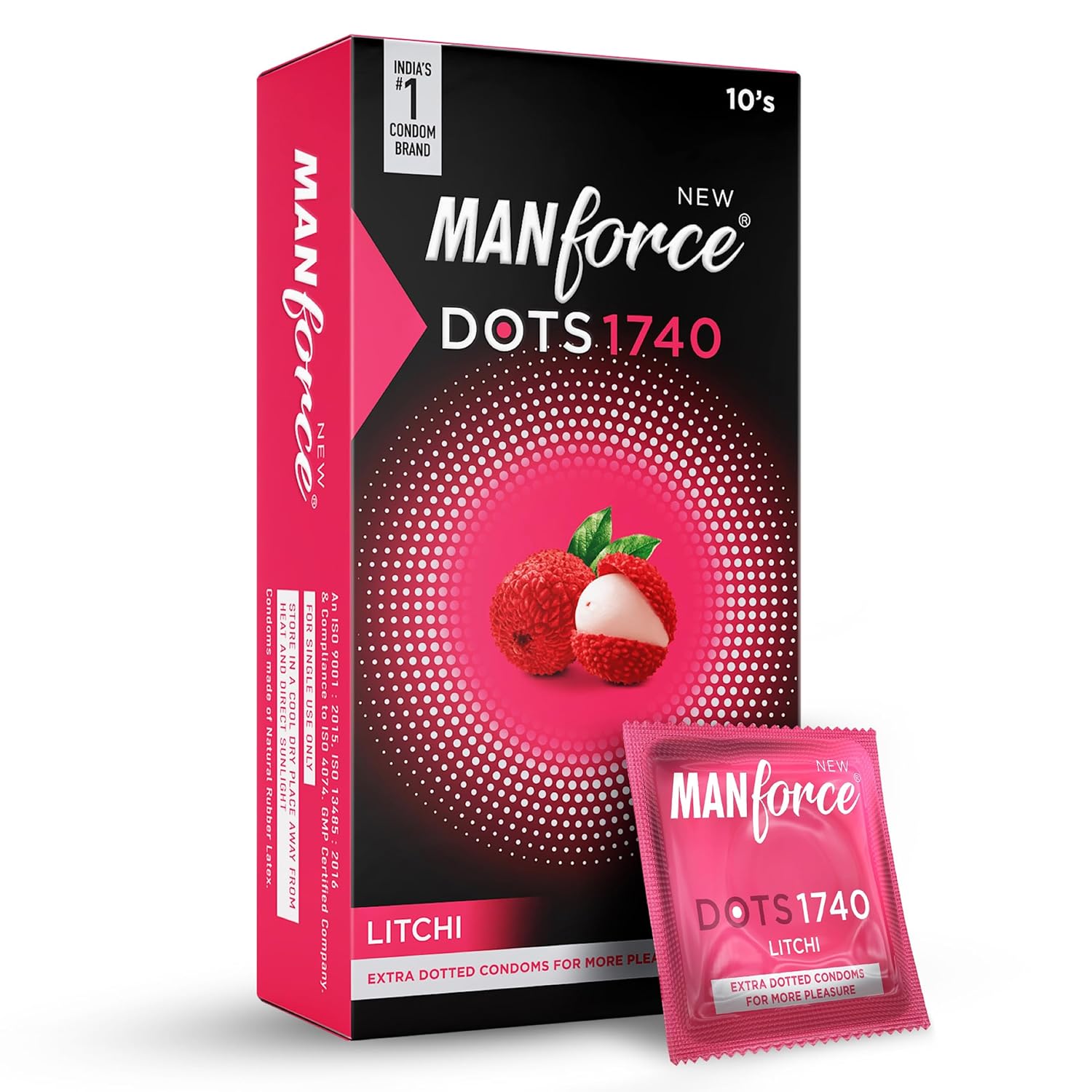
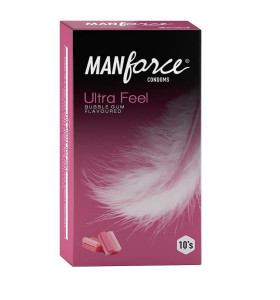
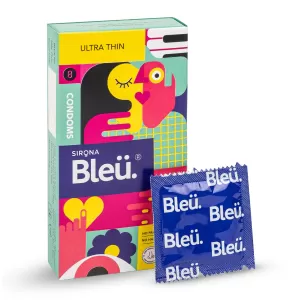

Shop by Category
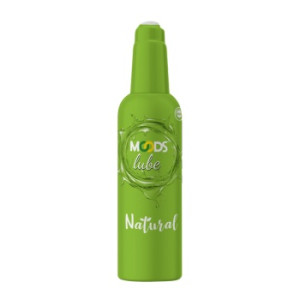
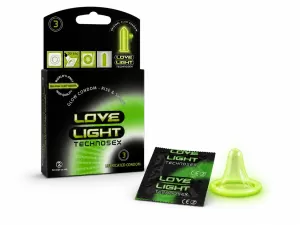
The Short Version
Forty kisses, and the ones that matter most over a lifetime are the cheapest: the peck at the coffee table, the forehead kiss at the end of a hard day, the muah down a phone line. The elaborate ones — the melt kiss, the French roll, the stoplight game — are worth knowing because variety is what stops a long relationship going quiet, not because any single one is a technique to master. Filter to whatever suits tonight, pick two, and read the response rather than the instructions.
Explore More Guides
The Kiss Atlas — 14 Kamasutra Kisses · Embraces Guide · Positions for Sweet Romance · Massage Foreplay · Oral Sex & HPV · Love & Intimacy Dictionary · Sex & Relationship · How-To Guides · Bedroom Stories · Sexopedia
Frequently Asked Questions
How many types of kiss are there?
There's no fixed number — kissing is expressive rather than categorical. This guide catalogues forty distinct types that have recognisable names and clear differences in technique, placement or intent, from the everyday peck to the French roll.
Which kiss should I start with?
Filter to Sweet. The cheek, forehead, hand and nose kisses carry affection without pressure, and every one of them is appropriate long before anything else is. The peck is the one that matters most over a lifetime.
What actually happens in the body when you kiss?
Kissing triggers oxytocin — associated with bonding — along with dopamine and endorphins, while lowering cortisol. The lips carry a disproportionately large share of the brain's sensory map, which is why relatively light contact registers so strongly.
Does a hickey need to be agreed in advance?
Yes, and it's the one item here that genuinely does. Sustained suction leaves a visible mark for several days, and placement matters if either of you has work, family or a wedding that week. Thirty seconds of agreement prevents a fortnight of awkwardness.
What makes a French kiss good rather than awkward?
Pace, almost entirely. Start slower than feels natural, match rather than lead, and vary pressure instead of maintaining one motion. Fresh breath is the only non-negotiable — everything else is preference, and asking beats guessing.
Which of these work at a distance?
Filter to Long distance. The Muah, the Mail Kiss and the Text Kiss are all built for it — one spoken, one physical and keepable, one sent. Specific beats generic every time; reference an actual moment rather than sending an emoji.
Is delivery from Condombazaar discreet?
Completely. Every order ships in plain, unmarked packaging with sender name CA Gain Healthcare — no product name or brand visible anywhere on the box. Delivering privately across India since 2010.
Where did kissing originate?
The oldest surviving written descriptions of romantic kissing are in Sanskrit Vedic texts from around 1500 BCE, which describe partners setting mouth to mouth. Kissing is not universal across human cultures, which suggests it spread as a practice rather than arising as an instinct — and India is where the written record begins.
Why is it called a French kiss?
The term entered English around the end of the First World War, when returning soldiers associated the deep, open-mouthed kiss with France. The French had no particular word for it themselves until galocher was added to a major dictionary in 2014.
Did the Kamasutra write about kissing?
Yes — Vatsyayana devoted a full chapter to it in the third century CE, naming and classifying kiss types and treating kissing as a skill to be learned. Our Kiss Atlas maps those original classical kisses in detail.
Is it true most people tilt their head the same way?
Roughly two in three tilt to the right. It shows up consistently in observational studies and appears early enough in life that it doesn't look learned. It's also why couples occasionally bump noses — one of them is a left-tilter.
Related Guides
Was this guide useful? Share it: